.png)

By using our website, you agree to the use of cookies as described in our Cookie Policy
Concrete Resurfacing Tips & Info in Palm Beach
Our blog shares tips on epoxy floors, faux travertine, pool decks, and other concrete solutions for homes and businesses throughout Palm Beach. Palm Beach Resurfacing writes every post based on real projects. These range from driveways and patios to warehouse floors and garage floors, so you get advice that actually works. Ready to start your project? Call 561-694-0273 or get a quote.
What Happens as Concrete Surfaces Age in Palm Beach County
Most property owners think concrete is bulletproof. Pour it, smooth it, forget it. But Palm Beach County's climate doesn't care what you think. Salt air, relentless sun, and moisture that never quits — they all leave a mark. Concrete may look solid, but it's porous. And if you're not paying attention to what's happening beneath the surface, you're asking for expensive problems down the line.
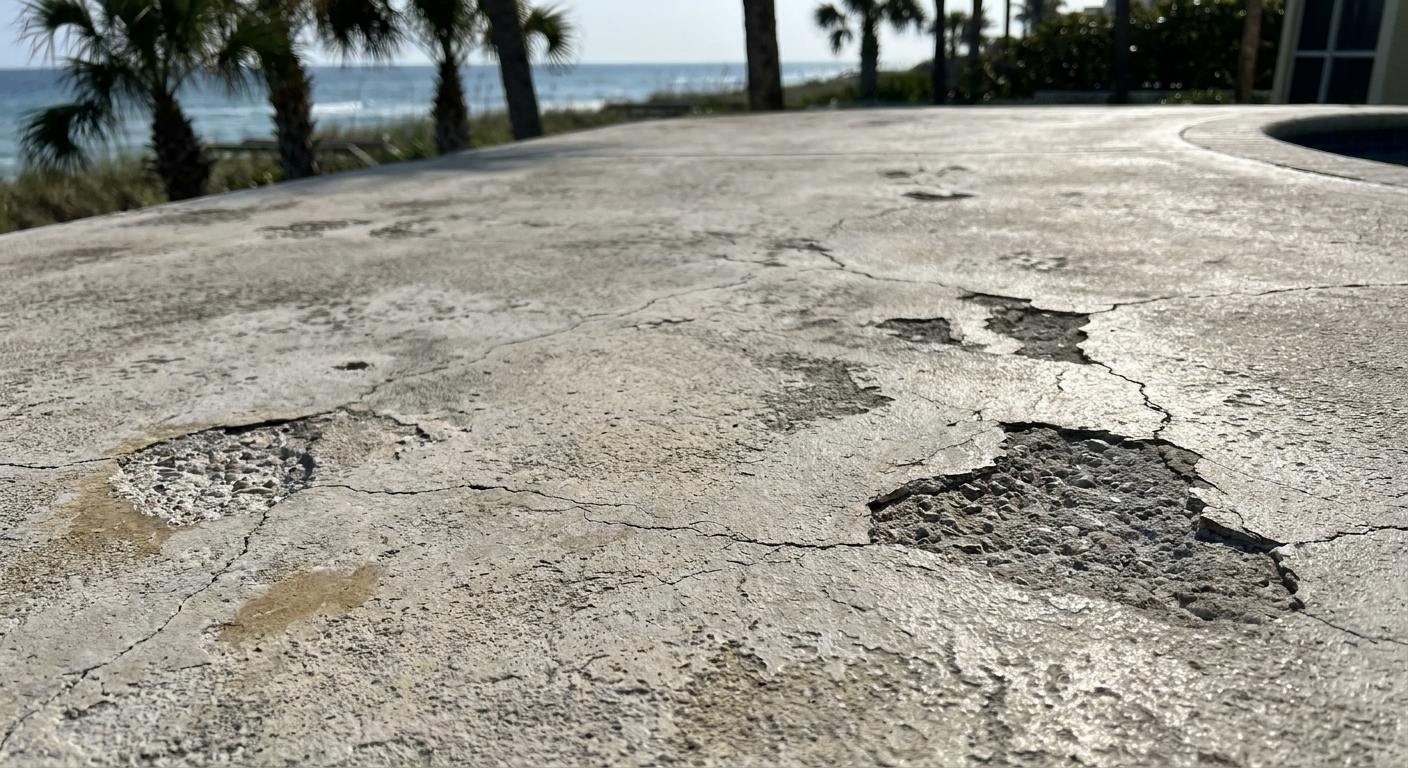
So here's the reality. Concrete ages. Sometimes gracefully, sometimes not. The difference comes down to how it was installed, how it's maintained, and how much abuse the environment throws at it. Every crack tells a story. Every stain is a symptom. And every repair decision should be rooted in what caused the damage — not just what you see on top.
The Coast Doesn't Play Nice
Living near the ocean comes with perks. It also comes with corrosion. Salt-laden air doesn't just rust metal — it infiltrates concrete, too. Once it reaches embedded rebar or wire mesh, the oxidation starts. That expansion creates internal pressure, and eventually, the surface spalls or cracks from the inside out.
Even if you're a few miles inland, the humidity does enough damage on its own. Moisture seeps in, chemicals react, and the surface starts breaking down before you notice. The sun accelerates the whole process by drying out the top layer, making it brittle and prone to cracking under stress.
Cracks Start Small and Spread Fast
Hairline fractures might seem harmless. They're not. Water finds a way in, and once it does, the damage compounds. Thermal expansion makes those cracks wider. Roots work their way underneath. Before long, you've got sections lifting, settling unevenly, or crumbling at the edges.
Settlement is another issue. Poorly compacted soil or shifting ground causes slabs to sink or tilt. That's not just cosmetic — it's a structural red flag. And if the crack runs through a load-bearing area, you're looking at more than a patch job.
- Thermal cycling widens surface fractures over time
- Water infiltration accelerates freeze-thaw damage, even in Florida's mild winters
- Tree roots can lift and crack slabs from below
- Poor drainage causes erosion beneath the concrete, leading to voids and collapse
- Settling occurs when the base wasn't properly compacted during installation
Discoloration Isn't Just Aesthetic
Faded concrete isn't just an eyesore. It's a sign that UV radiation has degraded the surface. That weakened top layer becomes more vulnerable to spalling, staining, and moisture penetration. The longer it goes untreated, the deeper the damage runs.
Organic growth — algae, mold, mildew — thrives in Palm Beach County's humidity. It discolors surfaces and holds moisture against the concrete, creating perfect conditions for deterioration. If you're seeing dark streaks or green patches, that's not just dirt. It's a biological attack on your investment.
- UV exposure breaks down the cement paste, weakening the surface layer
- Rust stains appear when metal furniture or fixtures corrode and bleed into the concrete
- Algae and mold retain moisture, accelerating surface erosion
- Oil and chemical spills penetrate porous concrete, leaving permanent marks
- Efflorescence signals water movement through the slab, carrying salts to the surface
Spalling Strips Away the Surface
When chunks of concrete start flaking off, that's spalling. It's usually caused by moisture intrusion, salt exposure, or poor finishing during installation. Once it starts, it spreads. The exposed aggregate underneath is rougher, holds more water, and deteriorates even faster.
In pool decks and driveways, spalling creates tripping hazards and looks terrible. But more importantly, it's a symptom of deeper structural issues. If the top layer is failing, the rest of the slab may not be far behind. Catching it early saves money. Ignoring it costs more.
Erosion Happens Where You Walk Most
High-traffic areas wear down faster. Foot traffic, vehicle weight, and dragged furniture all abrade the surface. Over time, the cement paste erodes, leaving exposed aggregate. That rough texture traps dirt, holds water, and accelerates further breakdown.
Wind-driven sand acts like sandpaper, especially in coastal areas. Rain washes away the finer particles. Before you know it, the once-smooth surface is pitted and uneven. It's gradual, but it's relentless — and it doesn't reverse itself without intervention.
- Vehicle traffic wears down driveways faster than foot traffic alone
- Abrasive cleaning methods can strip the surface layer if done improperly
- Pressure washing at too high a PSI removes cement paste and exposes aggregate
- Sand and debris act as abrasives under tires and feet
- Chemical deicers, though rare in Florida, can still degrade surfaces if used during cold snaps
When Repairs Make Sense and When They Don't
Not every crack needs a sledgehammer. Small fissures can be filled. Surface stains can be cleaned or sealed over. But if the slab is sinking, spalling in multiple areas, or riddled with deep cracks, patching won't cut it. You'll end up spending more on Band-Aids than you would on replacement.
Resurfacing works when the underlying structure is sound. It's a cost-effective way to restore appearance and add years to the surface. But if the base is compromised — voids underneath, severe settling, or rebar corrosion — resurfacing just hides the problem temporarily. A qualified contractor can tell the difference. Guessing costs money.
- Crack filling works for fissures less than a quarter-inch wide
- Resurfacing restores appearance but requires a stable base
- Slab jacking lifts sunken sections by injecting material underneath
- Full replacement is necessary when the base has failed or the slab is beyond repair
- Sealing protects repaired or new surfaces from future moisture and UV damage
Maintenance Buys Time, Neglect Costs Money
Sealing concrete isn't optional if you want it to last. A good sealer blocks moisture, resists stains, and slows UV degradation. But it wears off. Reapplication every few years keeps the protection active. Skip it, and you're back to square one — or worse.
Cleaning matters too. Algae, dirt, and organic debris trap moisture and accelerate breakdown. A periodic wash with the right products removes buildup without damaging the surface. But using the wrong chemicals or too much pressure does more harm than good. There's a difference between clean and stripped.
- Sealers should be reapplied every two to three years depending on traffic and exposure
- Soft washing with low pressure and appropriate cleaners removes growth without damage
- Avoid acidic cleaners unless specifically recommended for your concrete type
- Inspect drainage regularly to prevent water pooling and erosion
- Address cracks and stains as soon as they appear to prevent escalation
DIY Has Limits
Filling a crack or applying a sealer? Fine. Diagnosing why a slab is sinking or why spalling keeps spreading? That's where DIY gets expensive. Concrete repair isn't always straightforward. The wrong product, improper prep, or misdiagnosed cause can turn a small fix into a bigger mess.
A qualified contractor brings experience, the right materials, and an understanding of what's actually failing. They know the difference between cosmetic wear and structural failure. They can assess whether resurfacing, lifting, or replacement makes sense. And they'll back their work with warranties — something YouTube tutorials don't offer.
Age Doesn't Mean Failure
Concrete in Palm Beach County takes a beating. Salt, sun, moisture, and time all leave their mark. But age doesn't automatically mean replacement. Well-maintained surfaces last decades. Neglected ones fail in years. The difference comes down to recognizing the signs, acting before small problems become big ones, and understanding what's happening beneath the surface — not just what you see on top. Whether you're dealing with aging patios, walkways, garage floors, or commercial concrete surfaces, proper maintenance and timely intervention make all the difference.
Let’s Protect Your Concrete Investment
We know how tough Palm Beach County can be on concrete, but you don’t have to face these challenges alone. Let’s work together to keep your surfaces strong, safe, and looking their best for years to come. If you’re ready for expert advice or a no-obligation estimate, call us at 561-694-0273 or get a quote today and see how we can help you get ahead of concrete problems before they start.
‹ Back
Recent Posts
-
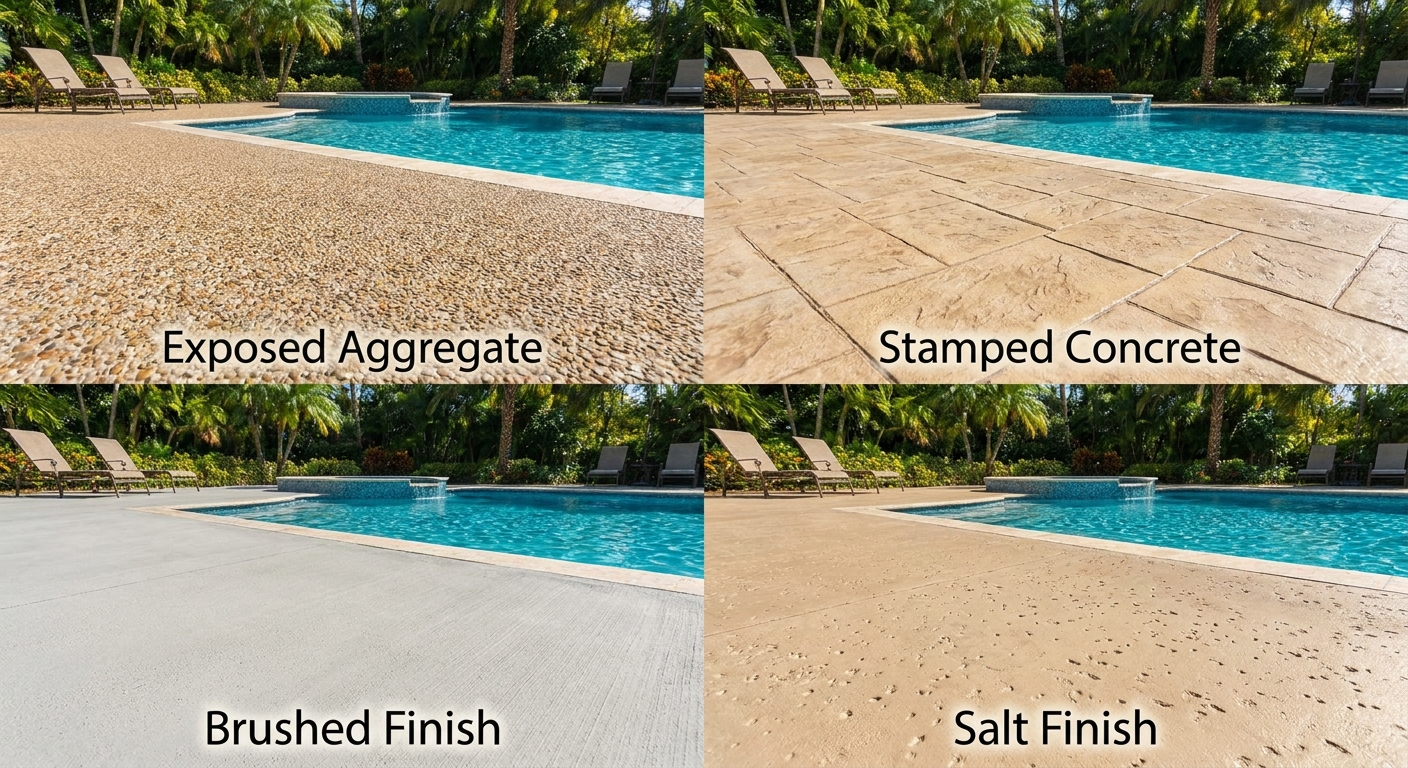
Which Concrete Finish Looks Best Around a Palm Beach Pool?
September 25, 2026
-
How Long Does Concrete Resurfacing in Palm Beach Last?
September 11, 2026
-
Faux Wood Concrete Flooring for Indoor Use in Palm Beach County
August 28, 2026
-
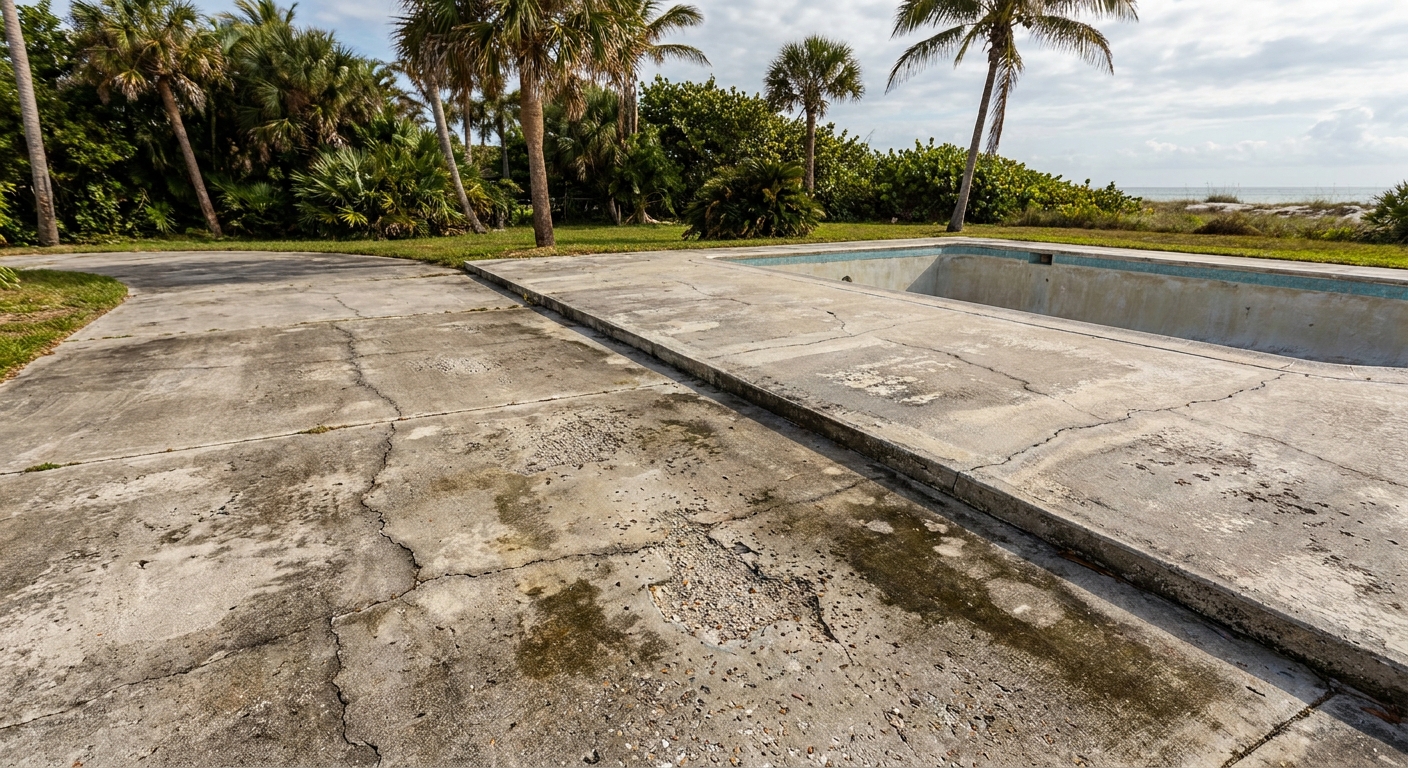
What Happens as Concrete Surfaces Age in Palm Beach County
August 14, 2026
-