
.png)

By using our website, you agree to the use of cookies as described in our Cookie Policy
Concrete Resurfacing Tips & Info in Palm Beach
Our blog shares tips on epoxy floors, faux travertine, pool decks, and other concrete solutions for homes and businesses throughout Palm Beach. Palm Beach Resurfacing writes every post based on real projects. These range from driveways and patios to warehouse floors and garage floors, so you get advice that actually works. Ready to start your project? Call 561-694-0273 or get a quote.
Can Decorative Concrete Give Your Palm Beach Patio a New Look?
Most Palm Beach homeowners think a tired patio means settling for boring slabs or shelling out thousands for pavers. But there's another route—and it's faster, tougher, and more customizable than you'd expect. Decorative concrete isn't what it used to be. It's not that gray industrial slab from the '90s. It's a design tool that lets you mimic stone, replicate wood grain, or build something completely original without blowing your budget.
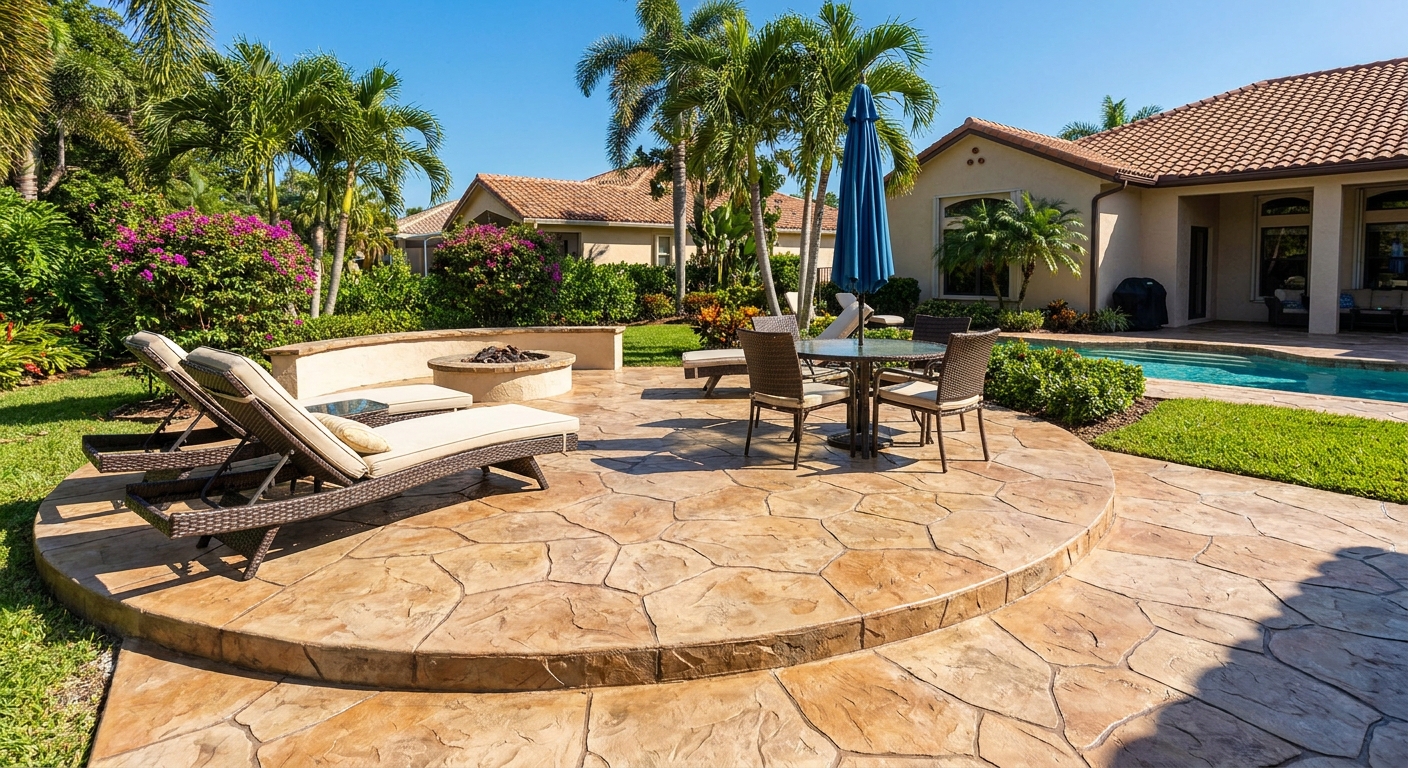
Here's what matters. If you're going to invest in your outdoor space, you need something that holds up to Florida weather, looks sharp year-round, and doesn't demand constant maintenance. Decorative concrete checks every box—if you pick the right finish and work with someone who knows what they're doing. Skip the shortcuts, and you'll get a patio that performs as well as it looks.
Why Plain Concrete Doesn't Cut It Anymore
Standard concrete works fine for driveways and walkways. But when it comes to patios—especially in Palm Beach—function alone doesn't get you there. You're competing with oceanfront views, lush landscaping, and neighbors who've already upgraded. A plain gray slab just fades into the background, and worse, it cracks, stains, and shows every flaw under that relentless sun.
Decorative concrete changes the game because it brings texture, color, and pattern into play. You're not just pouring a surface—you're building a feature. And unlike natural stone or imported tile, you're not waiting weeks for materials or dealing with uneven settling. The install is faster, the upfront cost is lower, and the long-term durability is better. That's not hype. That's how the material actually performs.
Techniques That Actually Transform Outdoor Spaces
Decorative concrete isn't one thing—it's a toolkit. Depending on what you want your patio to look like and how you use it, different methods deliver different results. Some add texture, others bring color, and a few do both at once. What matters is matching the technique to the vibe you're after and the wear your space will see.
Here's what we see working in Palm Beach:
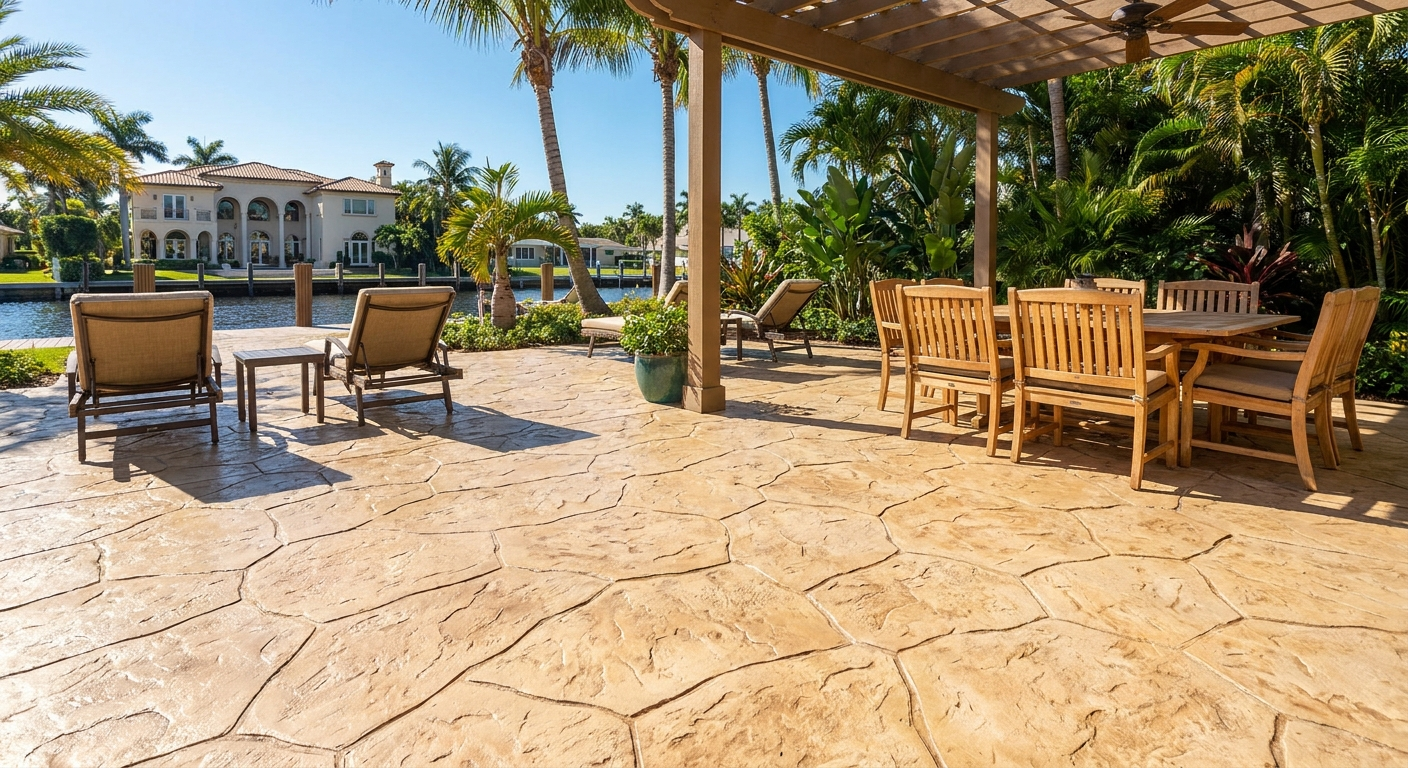
- Stamped patterns: Concrete gets pressed with molds to mimic slate, flagstone, brick, or even planks. Great for replicating high-end materials without the high-end price.
- Acid or water-based stains: These soak into the surface and create rich, layered color that won't peel or fade like paint. Perfect for custom tones that blend with your home's palette.
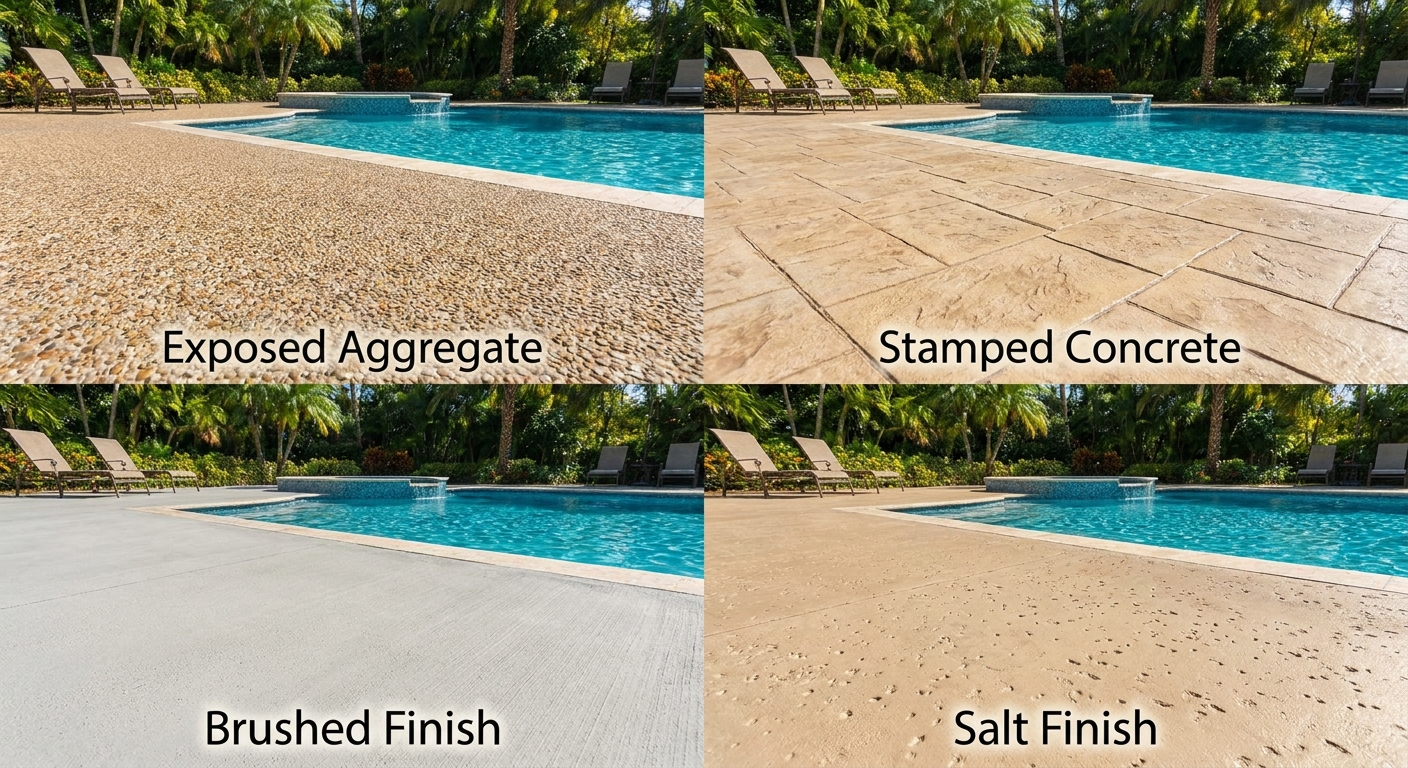
- Exposed aggregate finishes: The top layer gets stripped away to reveal embedded stones and pebbles. Adds grip, hides imperfections, and works well around pools.
- Polished surfaces: Ground smooth and sealed to a shine. Best for covered patios or modern designs where you want clean lines and minimal texture.
- Overlays and resurfacing: If your existing slab is solid but ugly, you can top it with a thin decorative layer instead of tearing everything out.
Weather Resistance Isn't Optional in Florida
Palm Beach patios take a beating. Saltwater air, torrential rain, UV exposure that never lets up—your outdoor surfaces are under assault year-round. Decorative concrete holds up because it's designed for exactly that kind of punishment, especially when it's sealed properly and installed with the right base prep.
Natural stone can crack from thermal shifts. Pavers settle unevenly and let weeds push through. Wood rots, warps, and needs refinishing every few years. Concrete? It expands and contracts without breaking apart, sheds water when sealed correctly, and doesn't attract mold or mildew the way organic materials do. Just make sure your contractor uses a UV-stable sealer and reapplies it every couple of years. That's the difference between a patio that ages well and one that starts looking rough after the first hurricane season.
Maintenance That Doesn't Eat Your Weekends
We're not saying decorative concrete is maintenance-free—nothing outdoors is. But compared to the alternatives, it's about as low-effort as you'll find. No sanding, no staining, no replacing cracked tiles one by one. Most of the upkeep comes down to keeping it clean and protecting the sealer.
Here's what your routine should look like:
- Sweep or blow off debris regularly so dirt doesn't grind into the surface
- Hose it down or use a mild cleaner when spills happen—no harsh chemicals needed
- Reseal every two to three years depending on traffic and sun exposure
- Address cracks early with a concrete filler before they spread
- Avoid dragging metal furniture across the surface to prevent scratches
Design Flexibility Without the Guesswork
One of the biggest advantages of decorative concrete is how much control you get over the final look. You're not stuck choosing from a limited palette of pavers or hoping the stone shipment matches the sample. You pick the color. You pick the pattern. You even pick the level of sheen. And if you want to match your patio to your pool deck or front entry, that's easy—it's all the same base material.
That flexibility also means you can create zones within your outdoor space. Different finishes or border treatments let you define seating areas, walkways, or fire pit surrounds without installing separate materials. It's cohesive, intentional, and way easier to pull off than mixing stone, wood, and tile.
Cost That Makes Sense for What You Get
Decorative concrete isn't the cheapest option out there—but it's also not the most expensive, and the value gap widens fast when you factor in longevity. Natural stone runs higher per square foot and comes with ongoing maintenance. Pavers can cost less upfront but require more labor and base prep, plus they shift over time. Concrete gives you a finished surface that lasts decades with minimal fuss.
Most Palm Beach installs fall into a range that's competitive with mid-tier pavers but delivers a look closer to premium stone. And because the labor is faster, you're not paying for weeks of site work. Add in the fact that you won't be replacing boards, re-leveling pavers, or dealing with mold on wood, and the total cost of ownership tips heavily in concrete's favor.
What Happens When the Install Goes Wrong
Decorative concrete only works if it's done right. Poor base prep, thin pours, skipped sealers—those mistakes don't just look bad, they fail fast. Cracks, delamination, color fading, surface flaking—it all traces back to corners cut during install. And once it's poured, fixing it isn't cheap or easy.
Here's what separates a solid job from a disaster:
- Proper grading and drainage so water moves away from the slab, not under it
- Reinforcement with rebar or mesh to prevent cracking from settlement
- Adequate curing time before sealing or heavy use
- High-quality sealers rated for UV and moisture resistance
- Experienced crews who know how to apply stamps, stains, and finishes without streaking or blotching
Upgrades That Pay Off When You Sell
Palm Beach buyers notice outdoor spaces. A well-designed patio adds usable square footage, boosts curb appeal, and signals that the home's been maintained. Decorative concrete checks all those boxes—and it photographs well, which matters more than ever in a market where listings live online.
It's not just about aesthetics. Buyers see a patio that won't need immediate work, that matches the home's style, and that extends the living area into the yard. That's value they'll pay for. And unlike trendy finishes that date quickly, classic concrete patterns and neutral tones stay relevant across design cycles.
Who Should Handle the Work
This isn't a DIY project unless you've done it before—and even then, it's risky. Decorative concrete requires precise timing, the right tools, and an understanding of how Florida's humidity and heat affect curing. Hire someone with a portfolio of local work, references you can check, and proof of proper licensing and insurance.
Ask to see past projects in person, not just photos. Talk through your design goals and make sure they're listening, not just selling a standard package. Get a detailed estimate that breaks out materials, labor, and sealer costs. And don't skip the contract—it should spell out timelines, warranties, and what happens if weather delays the job.
Getting It Done Without Regrets
A patio upgrade isn't something you want to redo in five years. Decorative concrete gives you a surface that performs, a look that lasts, and a process that doesn't drag on forever. But only if you go in with realistic expectations, pick the right contractor, and commit to basic upkeep. Skip any of those, and you're setting yourself up for disappointment. Nail all three, and you'll have an outdoor space that works as hard as it looks good—year after year, storm after storm, party after party. For residential concrete resurfacing that delivers lasting results, working with experienced professionals who understand custom decorative finishes for concrete surfaces makes all the difference.
Ready to Transform Your Patio?
Let’s make your Palm Beach patio the envy of the neighborhood with decorative concrete that’s built to last and designed for your lifestyle. If you’re ready to talk options or want expert advice on the best finish for your space, give us a call at 561-694-0273. When you’re ready to take the next step, get a quote and let’s bring your vision to life together.
‹ Back
Recent Posts
-
Can Decorative Concrete Give Your Palm Beach Patio a New Look?
October 9, 2026
-
Which Concrete Finish Looks Best Around a Palm Beach Pool?
September 25, 2026
-
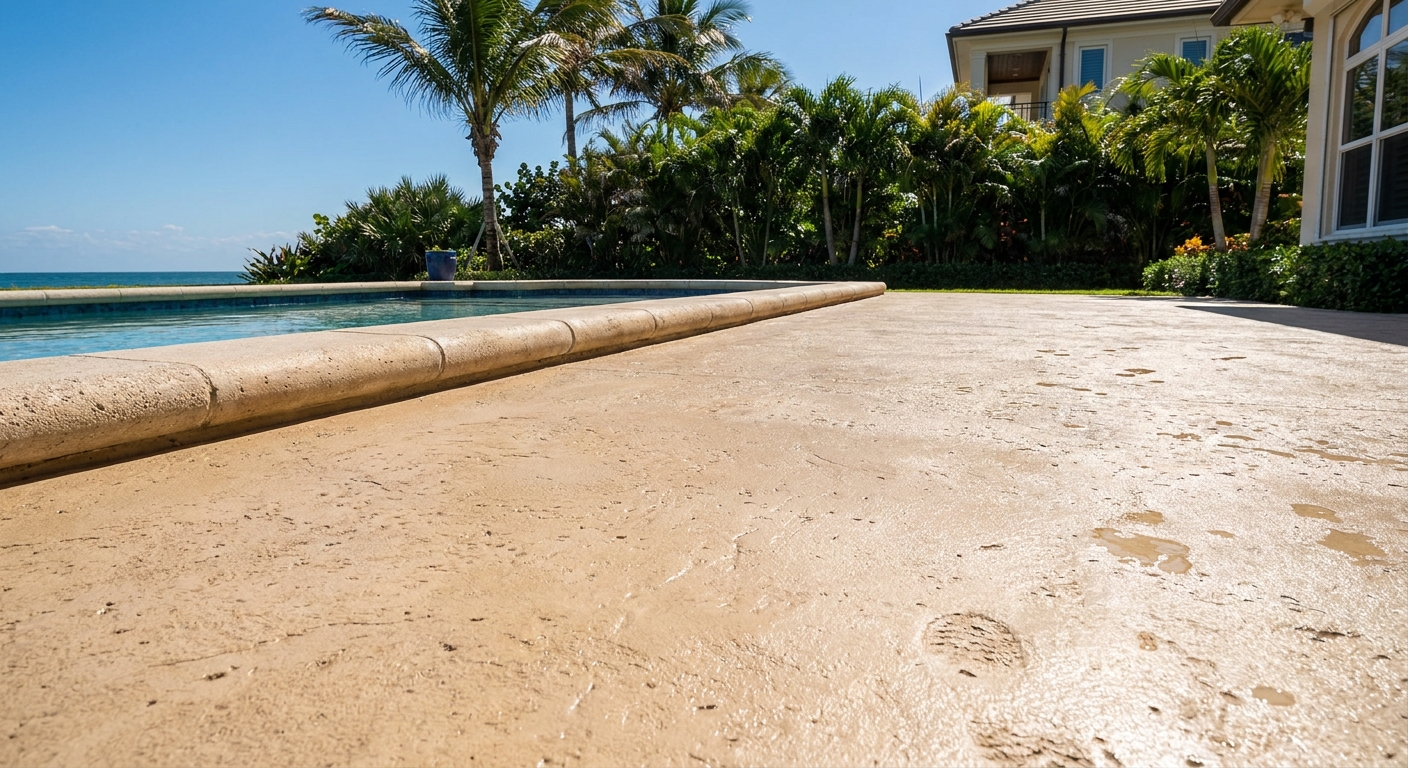
How Long Does Concrete Resurfacing in Palm Beach Last?
September 11, 2026
-
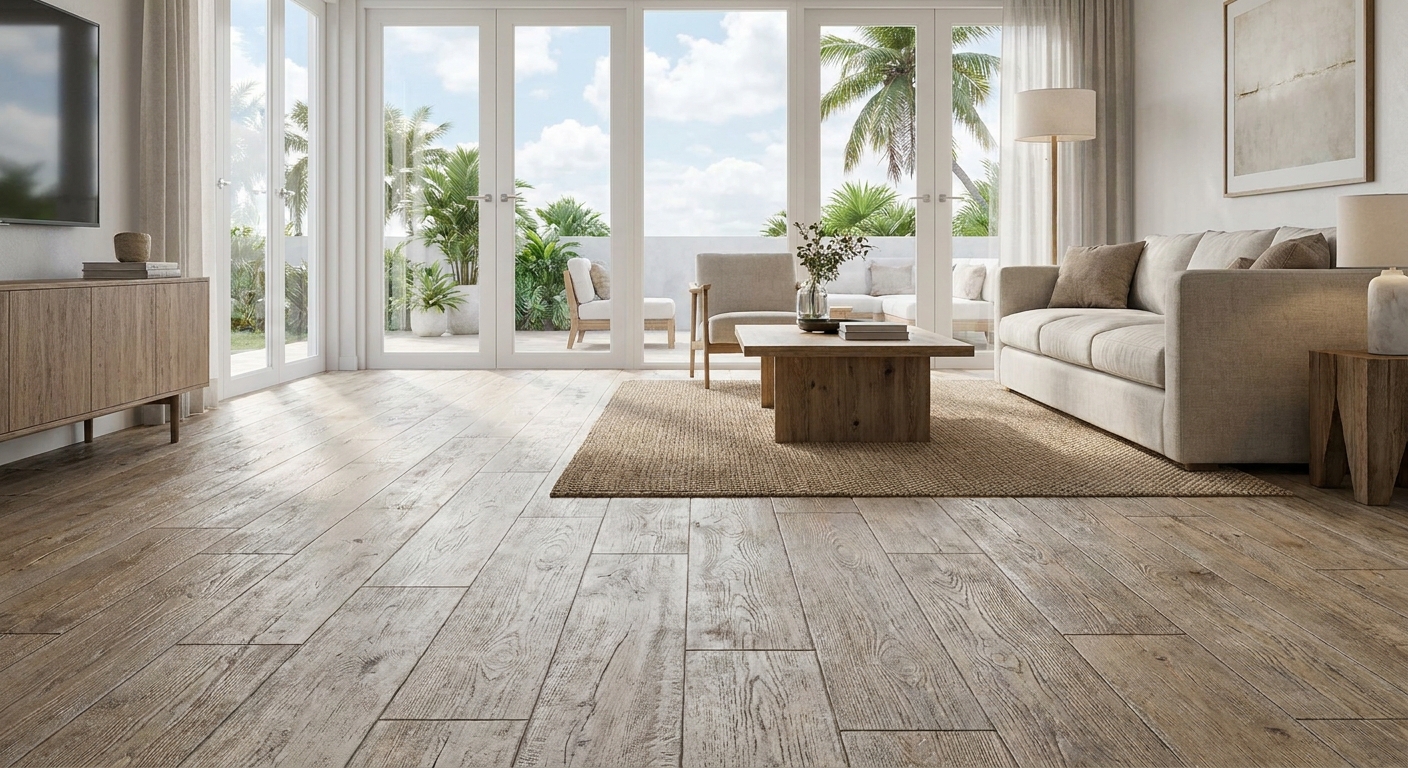
Faux Wood Concrete Flooring for Indoor Use in Palm Beach County
August 28, 2026
-
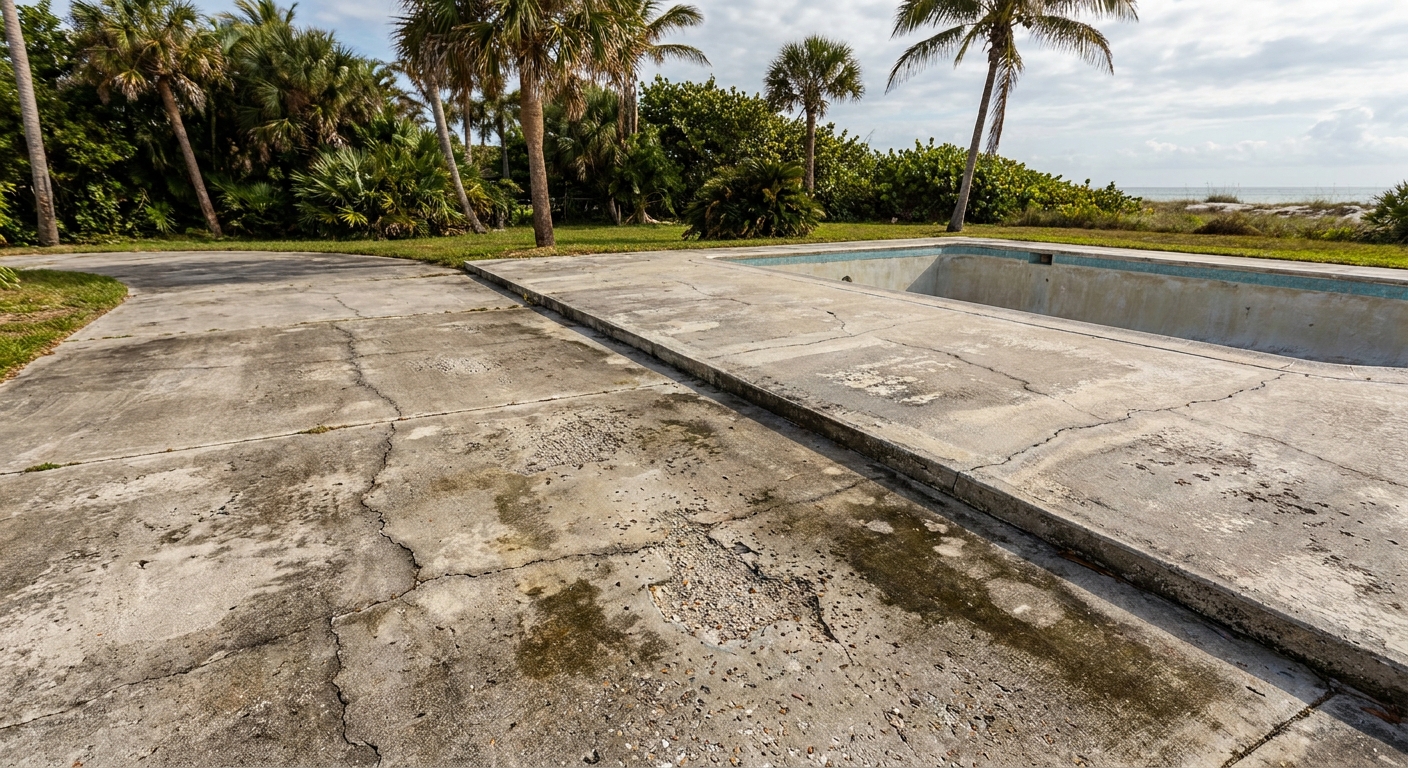
What Happens as Concrete Surfaces Age in Palm Beach County
August 14, 2026