.png)

By using our website, you agree to the use of cookies as described in our Cookie Policy
Concrete Resurfacing Tips & Info in Palm Beach
Our blog shares tips on epoxy floors, faux travertine, pool decks, and other concrete solutions for homes and businesses throughout Palm Beach. Palm Beach Resurfacing writes every post based on real projects. These range from driveways and patios to warehouse floors and garage floors, so you get advice that actually works. Ready to start your project? Call 561-694-0273 or get a quote.
What to Expect During a Multi Family Concrete Resurfacing Project in Palm Beach
Most property managers think resurfacing is just about making things look better. Fresh surface, happy residents. But there's more to it than aesthetics — and if you don't plan for the disruption, you're setting yourself up for complaints. Resurfacing isn't a weekend project. It's a phased operation that touches every corner of your property, from pool decks to parking lots. Especially when you're managing multiple units with residents who expect access to their space.
So here's what matters. If you're investing in concrete work to extend the life of your surfaces, that's smart. Just don't treat it like a cosmetic touch-up. Every phase has a timeline. Every material needs curing time. And every decision should be grounded in how the work affects daily operations — not just how it looks in the proposal.
The Walkthrough Happens Before Anything Else
Before a single tool hits the ground, a contractor worth hiring will inspect every inch of concrete on your property. They're looking for more than cracks — they're checking for structural issues, drainage problems, and whether the existing surface can even support a new overlay. Pool decks in Palm Beach take a beating from saltwater and UV exposure. UV exposure. Walkways crack under root pressure. Parking areas show wear from constant traffic and oil stains.
Once they've mapped out the damage, you'll sit down and talk options. That means choosing materials, finishes, and colors that fit your property's look and your residents' needs. Slip-resistant coatings matter near pools. Decorative overlays work for courtyards. Stamped patterns can elevate curb appeal without breaking the budget. The contractor should explain what works in Palm Beach's climate and what doesn't.
Scheduling Gets Messy Without a Plan
Multi-family properties don't shut down for construction. Residents still need to park, walk their dogs, and use the pool. That's why phasing matters. A good contractor will break the project into sections, tackle high-traffic areas during off-peak hours, and give you a realistic timeline that accounts for weather delays.
Palm Beach humidity and afternoon storms can stretch curing times. Rain can halt work entirely. Your contractor should build buffer days into the schedule and communicate changes as they happen. Residents need advance notice — posted signs, emails, texts, whatever it takes. The more transparent you are, the fewer angry calls you'll field.
Surface Prep Is Loud and Unavoidable
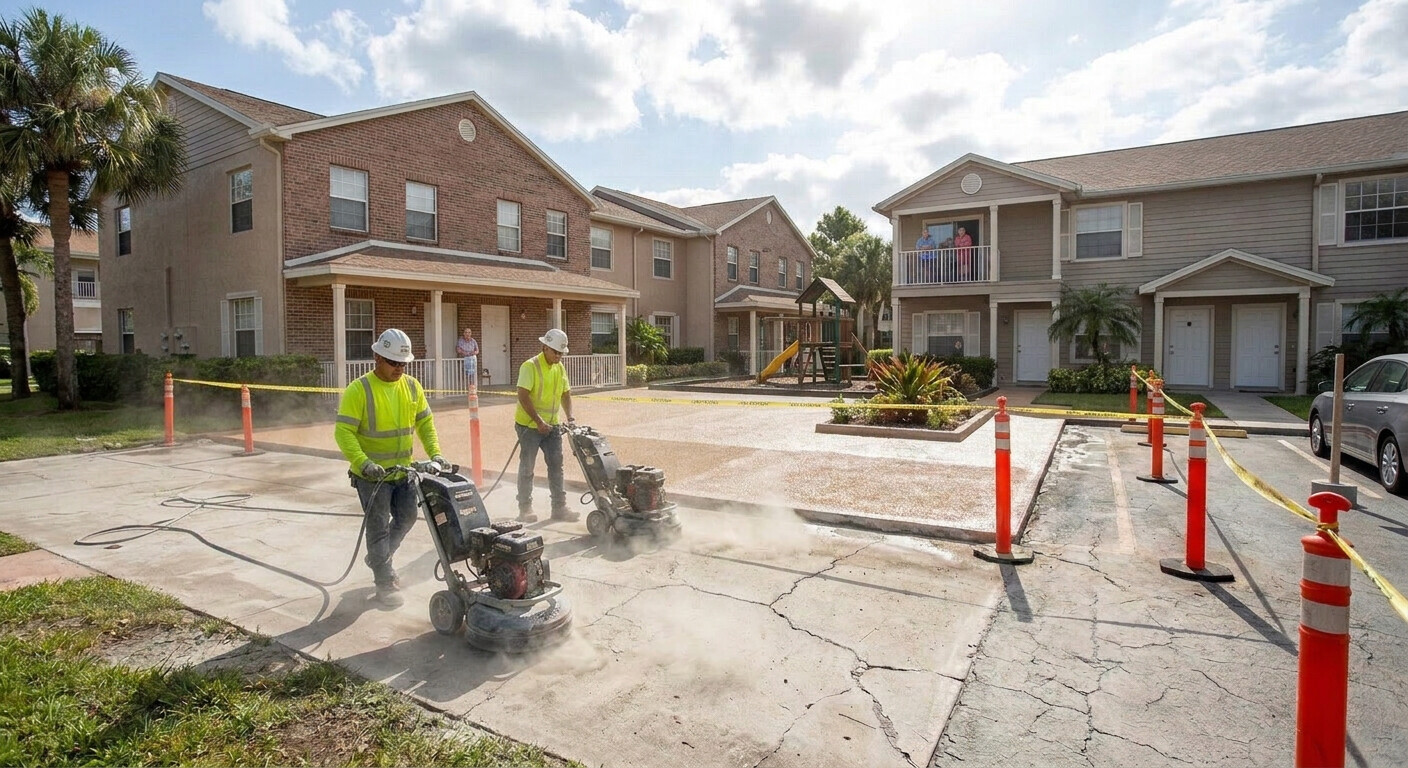
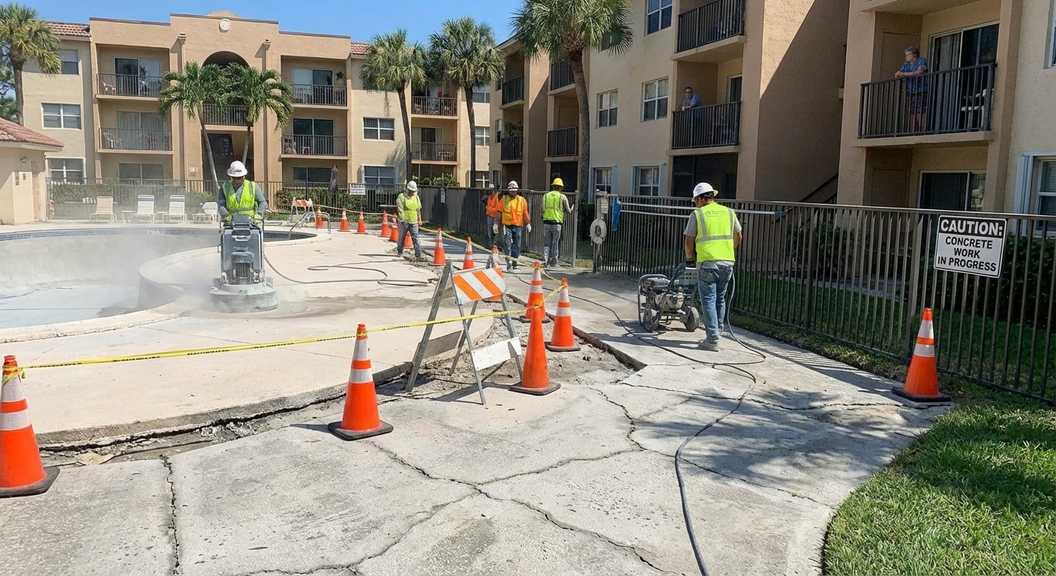
Resurfacing doesn't start with pouring new material. It starts with stripping away everything that's loose, damaged, or contaminated. That means pressure washing, grinding, and sometimes jackhammering sections that can't be saved. The noise is real. The dust is real. And residents will notice.
Contractors clean the surface down to bare concrete, repair cracks, and create a rough texture so the overlay bonds properly. If the prep work is rushed or skipped, the new surface won't last. This phase is also when you'll see the most activity — trucks, equipment, and crews moving through common areas. Keep kids and pets clear. Post warnings. Make it obvious where people shouldn't walk.
Application Moves Fast but Curing Takes Time
Once the surface is prepped, the contractor applies the resurfacing material. Depending on what you chose, that could mean pouring a thin overlay, stamping a decorative pattern, or spraying a spray texture coating. The application itself doesn't take long — but the curing does.
In Palm Beach, contractors often use fast-setting materials to minimize downtime. Even so, some areas will need to stay off-limits for hours or even days. Walking on wet concrete ruins the finish. Driving on it before it's cured can crack the overlay. The contractor will mark restricted zones and tell you when it's safe to reopen access. Don't rush it. Cutting corners here costs more in repairs later.
Sealant Protects the Investment
After the overlay cures, the contractor applies a protective sealant. This step is non-negotiable in Palm Beach. Saltwater, UV rays, and constant moisture will degrade unsealed concrete faster than you'd expect. The sealant acts as a barrier, keeping stains out and extending the life of the surface.
Once the sealant dries, the crew cleans up the site, hauls away debris, and restores any landscaping or fixtures that were moved. A final walkthrough with the property manager ensures everything meets expectations. If something's off, this is when you address it — not six months later when the warranty window has closed.
Residents Will Feel the Impact
No matter how well you plan, resurfacing disrupts daily life. Parking spaces get blocked. Walkways close. Pool access gets restricted. Noise starts early and dust settles on balconies. Residents who weren't informed will complain. Residents who were informed will still complain.
Your job is to manage expectations. Send updates before work starts, during the project, and when areas reopen. Post clear signage. Provide alternative routes. And make sure the contractor follows safety protocols — barriers, warning tape, and restricted access zones. The smoother the communication, the fewer headaches you'll deal with.
What You Get When It's Done Right
A properly resurfaced property doesn't just look better. It performs better. Slip resistance improves around pools. Cracks disappear from walkways. Parking areas handle traffic without crumbling. And maintenance becomes easier because sealed surfaces resist stains and weather damage.
For multi-family properties in Palm Beach, that translates to higher resident satisfaction, fewer repair calls, and a property that holds its value. It's not a quick fix — it's a long-term upgrade that pays off if you do it right.
The Work Pays Off When You Plan for It
Resurfacing a multi-family property isn't simple. It's a coordinated effort that requires planning, communication, and patience. But the alternative — letting concrete deteriorate until it becomes a liability — costs more in the long run. Residents trip on cracked walkways. Pool decks become hazards. And property values drop when curb appeal tanks.
At the end of the day, resurfacing is about protecting your investment and keeping your property functional. The disruption is temporary. The results last for years. And if you work with a contractor who understands commercial projects, the process doesn't have to be a nightmare. Just make sure everyone knows what's coming, when it's happening, and how long it'll take. That's how you turn a construction project into an upgrade residents actually appreciate.
Let’s Upgrade Your Property Together
We know how important it is to keep your Palm Beach property looking sharp and running smoothly for everyone who calls it home. If you’re ready to take the next step and want a team that understands the ins and outs of multi-family concrete resurfacing, let’s talk. Call us at 561-694-0273 or get a quote today and see how we can make your next project hassle-free from start to finish.
‹ Back
Recent Posts
-
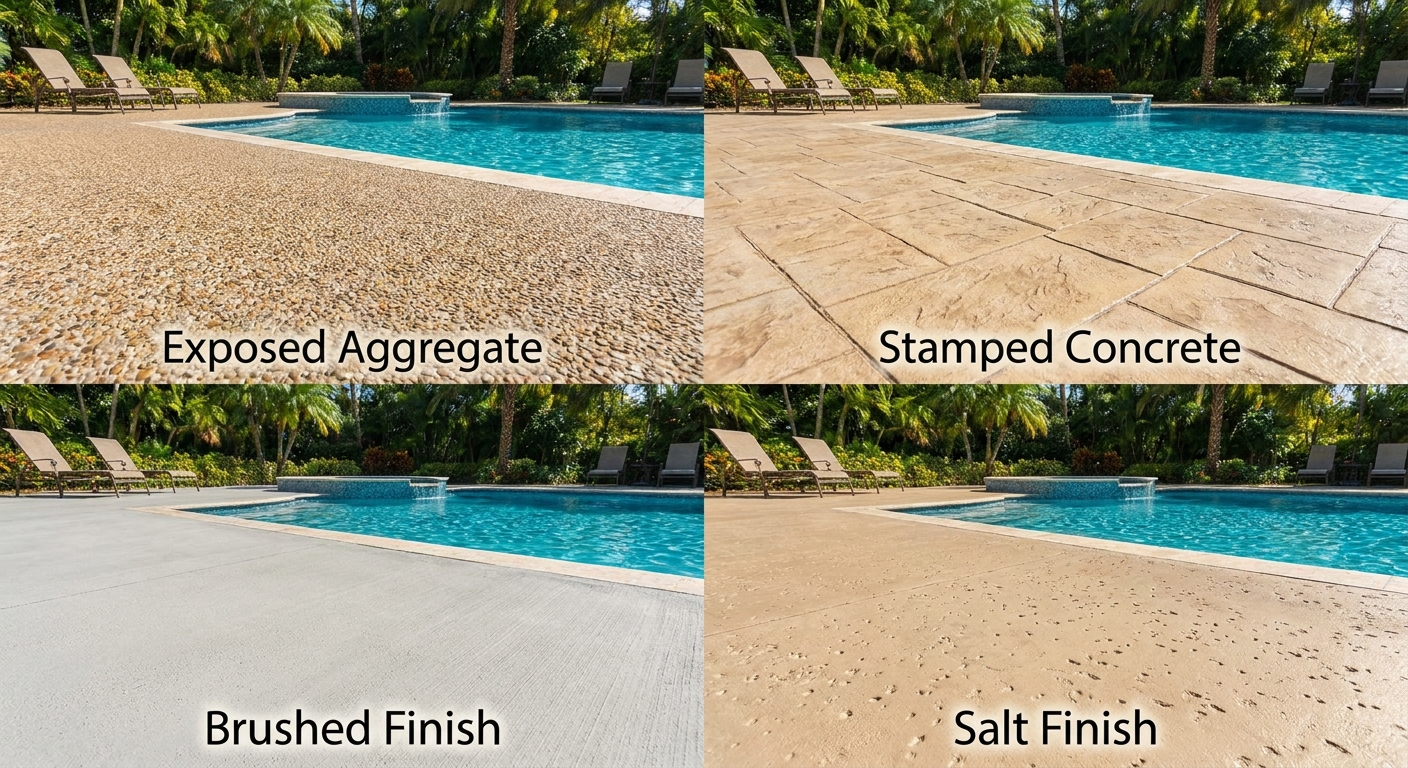
Which Concrete Finish Looks Best Around a Palm Beach Pool?
September 25, 2026
-
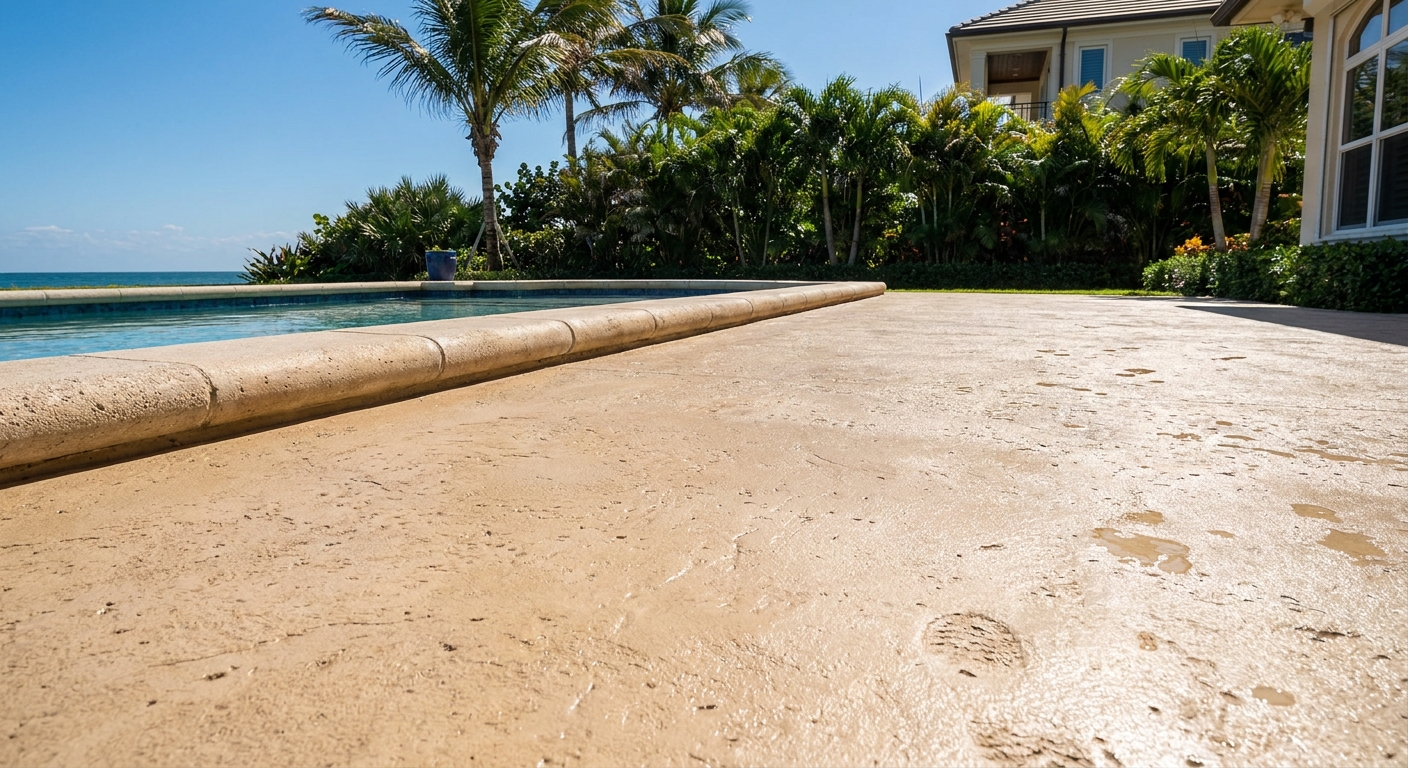
How Long Does Concrete Resurfacing in Palm Beach Last?
September 11, 2026
-
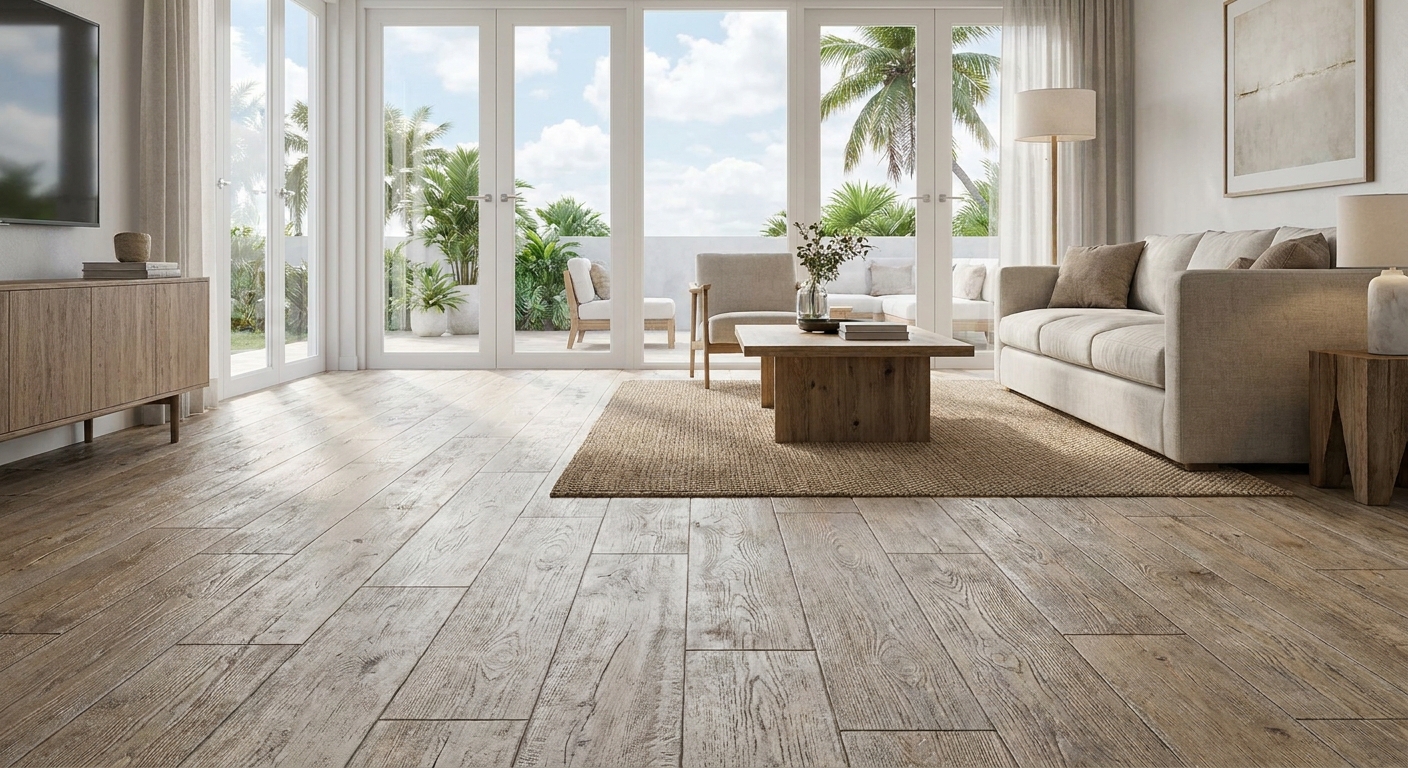
Faux Wood Concrete Flooring for Indoor Use in Palm Beach County
August 28, 2026
-
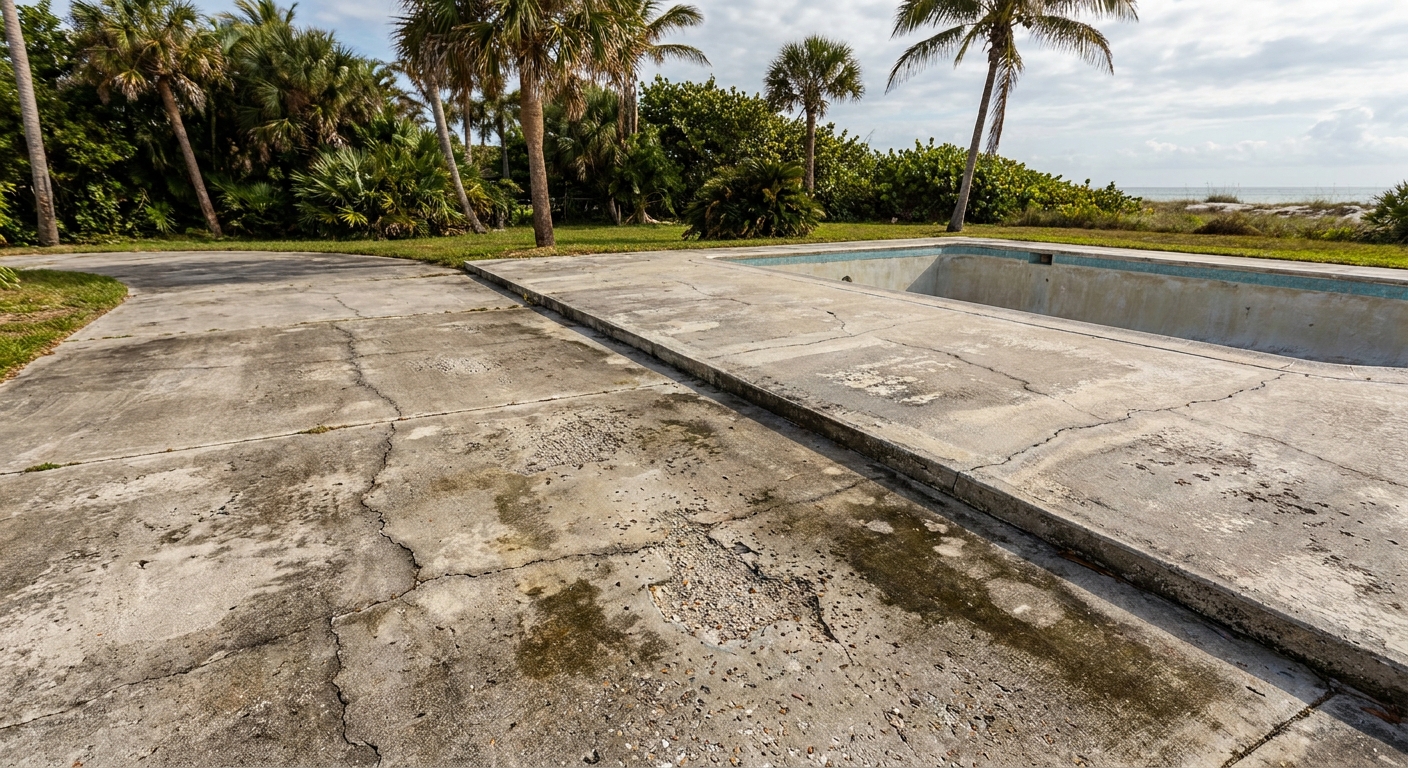
What Happens as Concrete Surfaces Age in Palm Beach County
August 14, 2026
-