
.png)

By using our website, you agree to the use of cookies as described in our Cookie Policy
Concrete Resurfacing Tips & Info in Palm Beach
Our blog shares tips on epoxy floors, faux travertine, pool decks, and other concrete solutions for homes and businesses throughout Palm Beach. Palm Beach Resurfacing writes every post based on real projects. These range from driveways and patios to warehouse floors and garage floors, so you get advice that actually works. Ready to start your project? Call 561-694-0273 or get a quote.
Faux Wood Concrete Flooring for Indoor Use in Palm Beach County
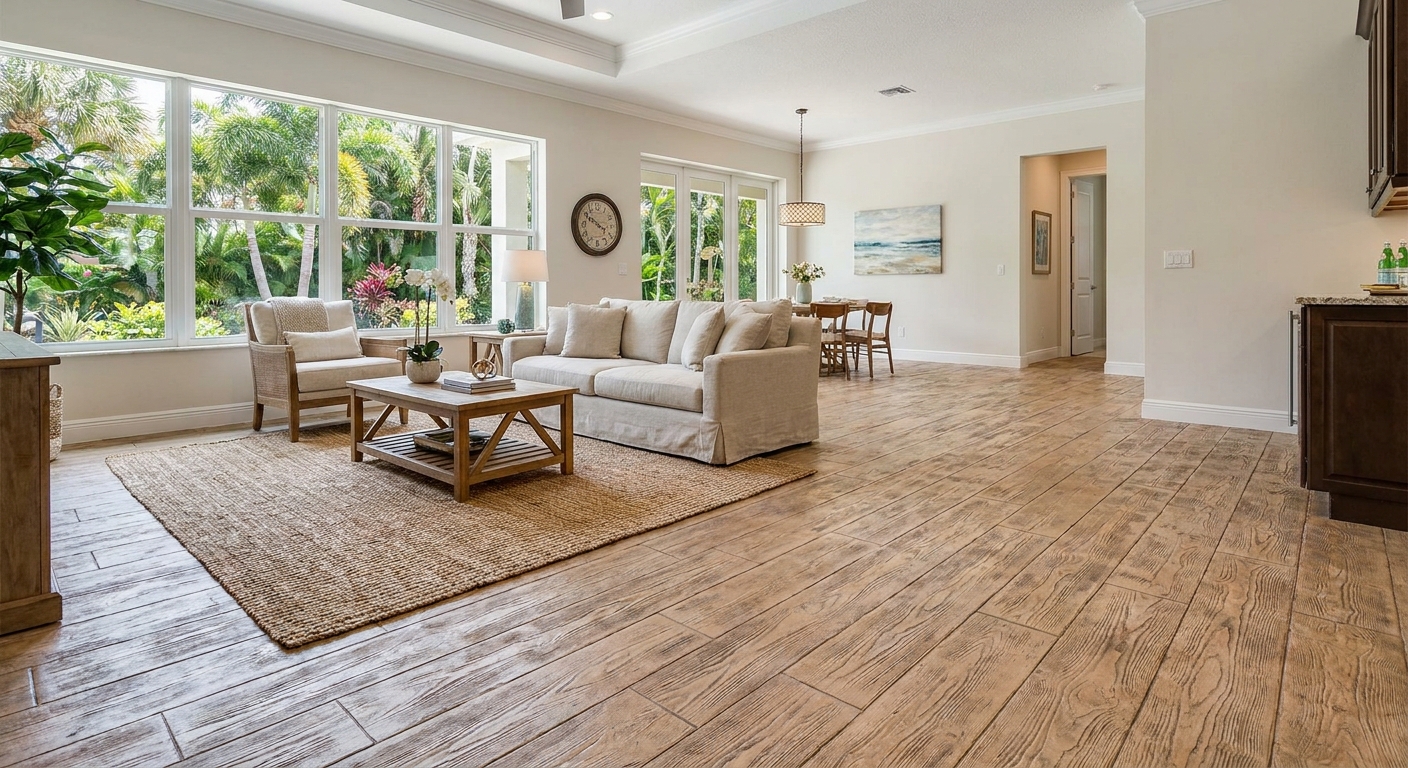
Palm Beach County homeowners think faux wood means cheap plastic. They're wrong. The real game-changer isn't vinyl planks or laminate strips—it's stamped concrete that mimics timber so well most guests won't spot the difference. We're talking grain patterns, color variations, and texture depth that rivals the real thing. Only this version doesn't warp when humidity spikes or buckle when water sits too long.
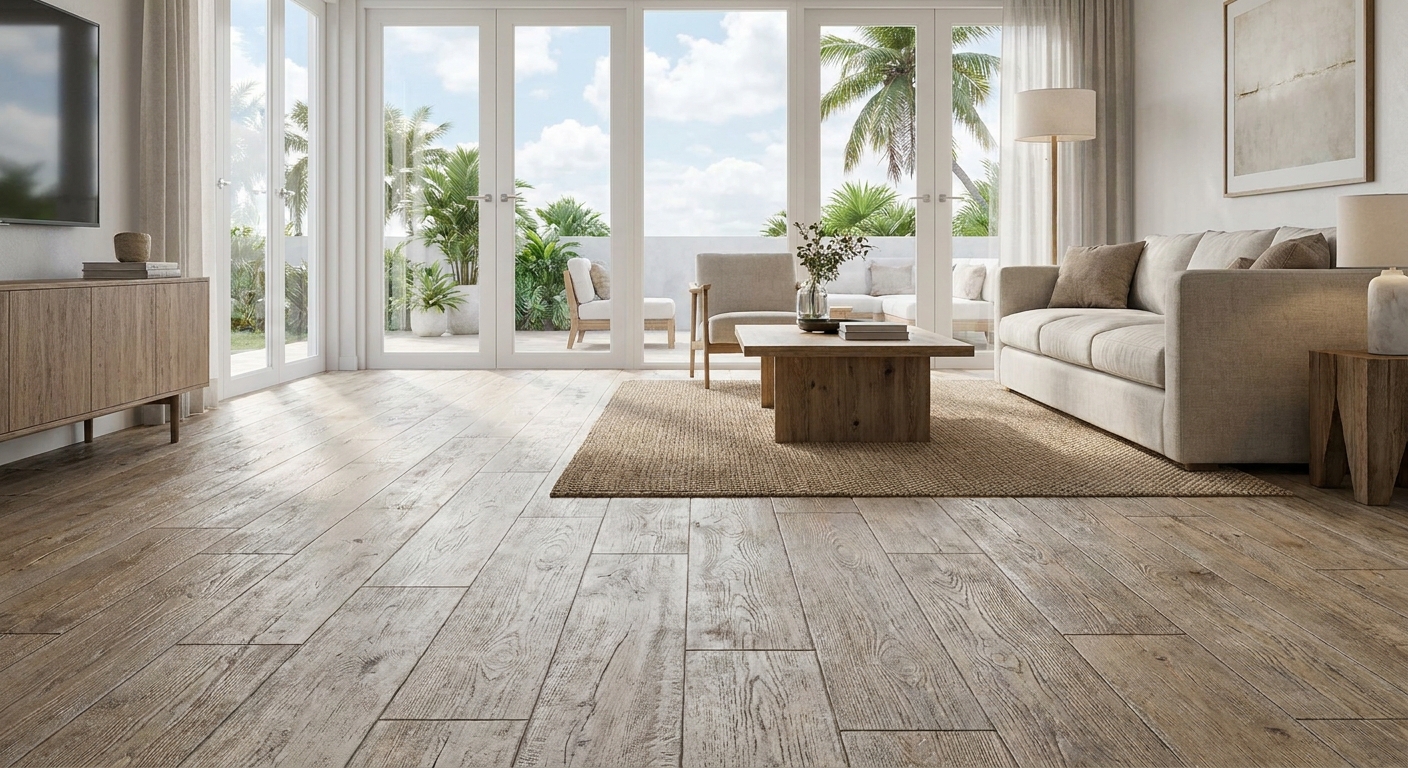
Here's what matters. If you're upgrading floors in a climate this brutal, aesthetics alone won't cut it. You need something built to handle moisture, foot traffic, and the kind of wear that sends hardwood to an early grave. Faux wood concrete delivers that toughness while keeping the warmth and charm most people want underfoot. It's not about faking it—it's about building smarter.
Humidity Doesn't Care About Your Budget
Real wood looks incredible. For about six months. Then Florida's climate gets involved. Moisture seeps in, boards start swelling, and suddenly that premium oak you installed is cupping at the seams. You can seal it, monitor humidity levels, and run dehumidifiers around the clock—but you're fighting a losing battle.
Faux wood concrete skips that drama entirely. It won't absorb water. It won't expand or contract with temperature swings. And it definitely won't grow mold when the AC cuts out during storm season. We've seen it installed in kitchens, bathrooms, even basements where traditional hardwood would be a disaster from day one.
Durability That Actually Holds Up
Concrete doesn't scratch when you drag furniture across it. It doesn't dent when something heavy drops. And it won't show wear patterns after a few years of normal use. That's the advantage most people miss when they're focused purely on appearance.
Here's where faux wood concrete earns its keep:
- High-traffic entryways where shoes, bags, and kids beat up floors daily
- Open kitchens where spills happen and chairs scrape constantly
- Living rooms with pets whose claws would shred softer surfaces
- Commercial spaces that need professional aesthetics without constant refinishing
- Rental properties where durability directly impacts long-term profitability
Design Freedom Without the Compromises
Think you're locked into one look? Not even close. Stamped concrete can replicate dozens of wood species, plank widths, and finish styles. Want distressed barn wood? Done. Prefer sleek walnut with tight grain? Easy. Looking for wide planks in a driftwood gray? We can make that happen.
Color customization goes even deeper. Stains can be layered, blended, or applied in patterns that create variation across the floor—just like real wood shows natural differences from board to board. The result feels organic, not stamped from a cookie cutter. And because it's poured in place, there are no size restrictions or awkward seams cutting through your space.
Maintenance That Doesn't Eat Your Weekends
Wood floors demand attention. Sweep daily. Mop carefully. Reapply finish every few years. Avoid water at all costs. Sand and refinish when wear shows through. It adds up fast—in time, effort, and money.
Faux wood concrete? Sweep when it looks dirty. Mop when you feel like it. Reseal every few years if you want extra protection. That's the list. No special cleaners, no refinishing crews, no panic when someone spills a full glass of wine during dinner.
Cost Breakdown That Makes Sense
Upfront, faux wood concrete runs competitive with mid-range hardwood. But the real savings show up later. You're not paying for repairs, refinishing, or early replacement. You're not dealing with water damage insurance claims or mold remediation after a leak goes unnoticed.
Here's what drives the value:
- Installation over existing concrete slabs cuts material and labor costs
- No ongoing refinishing expenses that drain budgets every few years
- Resistance to damage means fewer repair calls and emergency fixes
- Longevity that outlasts most traditional flooring by decades
- Energy efficiency from concrete's thermal mass can trim cooling bills
Why Palm Beach County Properties Need This
This county sits in one of the toughest climates for flooring. Humidity hovers high year-round. Storms dump water without warning. Salt air creeps inland and corrodes anything it touches. Traditional materials struggle here—concrete thrives.
We've installed faux wood concrete in beachfront condos, inland estates, and commercial buildings across the county. Every project confirms the same thing: when you match material to environment, problems disappear. No warping after heavy rains. No fading from UV exposure through floor-to-ceiling windows. No emergency calls because the floor gave out under normal use.
Installation Done Right Matters More Than You Think
Stamping concrete to look like wood isn't a weekend DIY project. It requires skill, experience, and the right equipment. The slab needs proper prep. Base colors have to be applied evenly. Stamps must be positioned and pressed with precision. Stains need blending. Sealants require correct application and cure time.
Cut corners here and you'll see it forever. Inconsistent color. Blurry grain patterns. Premature wear through the finish. We recommend vetting contractors carefully—check their portfolio, ask for local references, and confirm they've handled similar projects in Florida's climate.
Common Mistakes That Cost People
Most regrets with faux wood concrete come from poor planning, not the material itself. Choosing the wrong contractor tops the list, but there are other traps.
Watch out for these issues:
- Skipping the sealer to save money, then dealing with stains and surface damage
- Picking colors in artificial showroom light that look wrong in your actual space
- Ignoring subfloor prep, which leads to cracks and uneven surfaces later
- Failing to plan for furniture weight and placement during the curing process
- Assuming all concrete finishes perform the same in wet areas—they don't
When It Works and When It Doesn't
Faux wood concrete excels in most indoor settings. But it's not universal. Homes with existing beautiful hardwood in great condition probably don't need it. Spaces where radiant heating is planned require careful coordination. And if you're set on that specific feel of real wood underfoot—the slight give, the warmth—concrete won't replicate that sensation perfectly.
But for moisture-prone areas, high-traffic zones, or anywhere durability trumps tradition, it's hard to beat. We see it succeed most often in kitchens, bathrooms, basements, entryways, and open-concept living areas where style meets serious daily use.
What the Long Game Looks Like
Five years in, faux wood concrete still looks sharp. Ten years later, it's holding strong while the neighbor's hardwood is on its second refinish. Fifteen years down the line, you're still walking on the same surface while others are budgeting for full replacements.
That's the difference. You're not just buying a floor—you're eliminating a maintenance category from your life. Less time worrying about water damage. Fewer contractor visits. More certainty that what you install today will still perform two decades from now.
Questions We Hear Constantly
Does it feel like concrete? Yes, because it is concrete. It's harder underfoot than wood, though area rugs and proper subfloor prep can soften the feel. Will it crack? Concrete can crack, but proper installation with control joints minimizes that risk significantly. Can we change the color later? You can restain or apply new finishes, giving you flexibility as design tastes evolve.
What about resale value? Buyers in Palm Beach County increasingly recognize quality when they see it. A floor that looks great and requires zero maintenance? That's a selling point, not a liability.
Why We Push This Option Hard
We've walked enough properties to know what fails and what lasts. Faux wood concrete keeps showing up in the "lasts" column. It handles this climate without flinching. It delivers the aesthetic people want without the baggage they hate. And it makes financial sense when you actually run the numbers past year one.
If you're building, renovating, or just tired of replacing floors that can't handle reality, this is worth serious consideration. Not because it's trendy—because it works. And in a place like Palm Beach County, where environment and lifestyle put flooring through the wringer, working matters more than anything else. Full home concrete resurfacing offers a comprehensive solution that transforms entire living spaces with durable, low-maintenance flooring. For those in multi-unit buildings, condo floor resurfacing provides the same benefits tailored to condominium environments.
Ready to Upgrade Your Floors?
Let's make your next flooring project the one that finally stands up to Palm Beach County's climate and your lifestyle. We know what works here, and we're ready to help you get the look and durability you want—without the headaches. Give us a call at 561-694-0273 or get a quote today, and let’s start planning a floor that’s built to last.
‹ Back
Recent Posts
-
Can Decorative Concrete Give Your Palm Beach Patio a New Look?
October 9, 2026
-
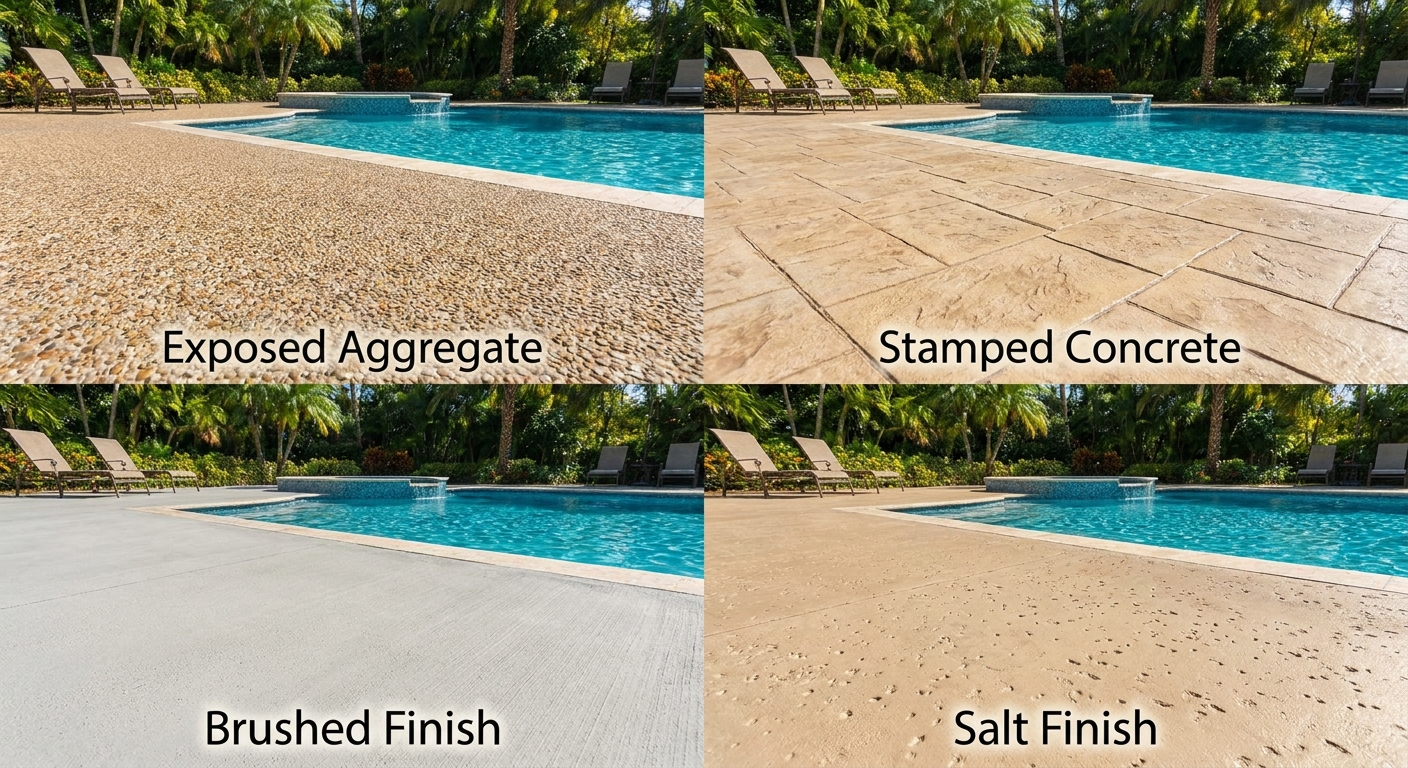
Which Concrete Finish Looks Best Around a Palm Beach Pool?
September 25, 2026
-
How Long Does Concrete Resurfacing in Palm Beach Last?
September 11, 2026
-
Faux Wood Concrete Flooring for Indoor Use in Palm Beach County
August 28, 2026
-
What Happens as Concrete Surfaces Age in Palm Beach County
August 14, 2026