


By using our website, you agree to the use of cookies as described in our Cookie Policy
Concrete Resurfacing Tips & Info in Palm Beach
Our blog shares tips on epoxy floors, faux travertine, pool decks, and other concrete solutions for homes and businesses throughout Palm Beach. Palm Beach Resurfacing writes every post based on real projects. These range from driveways and patios to warehouse floors and garage floors, so you get advice that actually works. Ready to start your project? Call 561-694-0273 or get a quote.
Can You Change the Color of Concrete Floors in Palm Beach?
Most property owners think concrete is permanent. Pour it, seal it, forget it. But concrete floors aren't locked into one look forever — and if you're stuck with a shade that doesn't work anymore, you've got options. Palm Beach homeowners and business operators are constantly rethinking their interiors, and concrete color is no exception. The humidity, the salt air, the design trends that shift every season — they all leave a mark. And sometimes that mark is exactly what you don't want staring back at you.
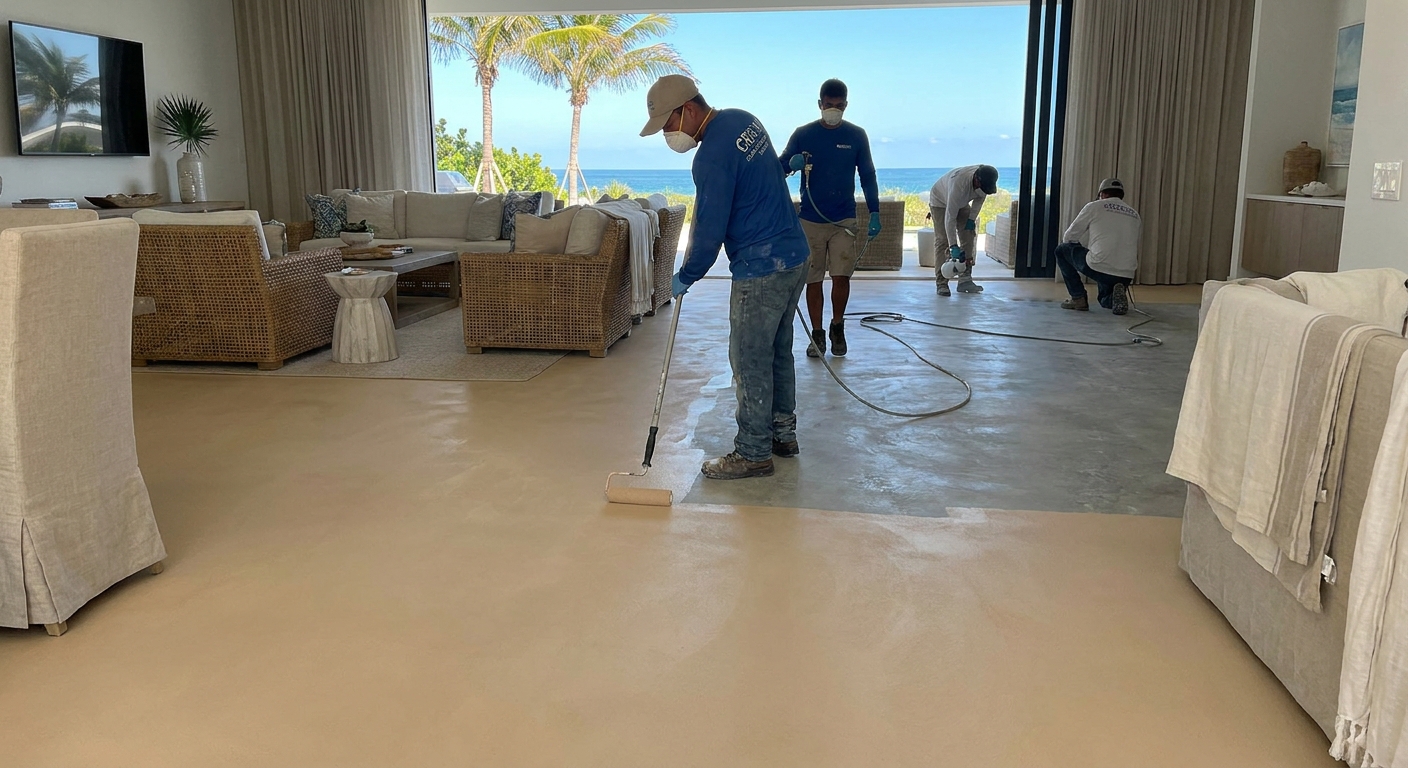
Here's what matters. Concrete can be recolored, refinished, and completely transformed without tearing it out. But not every method works the same way, and not every floor is ready for the treatment. If you're planning to change the color, you need to understand what you're working with — and what you're working toward. Half the battle is knowing which technique fits your space, your budget, and your timeline.
The Real Reasons People Recolor Concrete
Concrete doesn't stay pristine. Stains creep in. UV exposure fades surfaces near windows and sliding doors. Water damage leaves blotches. And sometimes the original color just doesn't match the vision anymore. In Palm Beach, where coastal design leans light and airy, a dull gray slab can feel out of place fast. Recoloring isn't vanity — it's practical. A refreshed floor can increase resale value, improve the mood of a room, and extend the lifespan of the surface itself.
Beyond aesthetics, there's function. Lighter tones reflect heat, which helps when the sun's beating down through floor-to-ceiling glass. Darker hues hide wear better in high-traffic commercial zones. And custom colors? They let you align your flooring with brand identity or personal style without starting from scratch. Custom decorative finishes for concrete surfaces offer homeowners a way to create unique looks that match their exact vision.
How We Actually Change Concrete Color
There are multiple ways to shift the color of a concrete floor, and each one delivers a different result. Some go deep. Some sit on top. Some last decades. Some need touch-ups. The right choice depends on the current condition of your slab, what kind of finish you're after, and whether the space is indoors or exposed to the elements.
- Acid-Based Stains: These react chemically with the concrete, creating earthy, translucent tones that vary across the surface. The result is organic, unpredictable, and permanent. You're not painting over the concrete — you're changing its chemistry.
- Water-Based Stains: More predictable than acid stains, these offer a wider color palette and a more uniform appearance. They still penetrate the surface, so the color won't peel or flake off under normal use.
- Concrete Dyes: Want bold, saturated color? Dyes soak into the pores and deliver vibrant hues that hold up indoors. They're not as UV-resistant as stains, but in covered or interior spaces, they perform beautifully.
- Epoxy and Polyurethane Coatings: These sit on top of the concrete and form a protective, opaque layer. They're ideal for garage floors, warehouses, and commercial floors where durability and chemical resistance matter more than natural texture.
- Polished Concrete with Tinted Densifiers: Grinding the surface smooth and applying a tinted hardener creates a glossy, colored finish that's low-maintenance and high-impact. Popular in retail and modern residential builds.
What You Need to Know Before You Start
Concrete recoloring isn't plug-and-play. The surface has to be prepped. Cracks need filling. Old sealers need stripping. If the slab is stained with oil or rust, those spots won't take color the same way. And if previous coatings are still hanging on, they'll block penetration entirely. That's why surface condition is the first checkpoint, not an afterthought.
Then there's the question of where the floor lives. Outdoor concrete in Palm Beach faces salt, moisture, and relentless UV. Not every product is built for that. Indoor floors have their own challenges — foot traffic, furniture drag, spills. You need to match the method to the environment, or the color won't last.
- Surface Integrity: Inspect for cracks, spalling, or previous treatments that could interfere with adhesion or absorption.
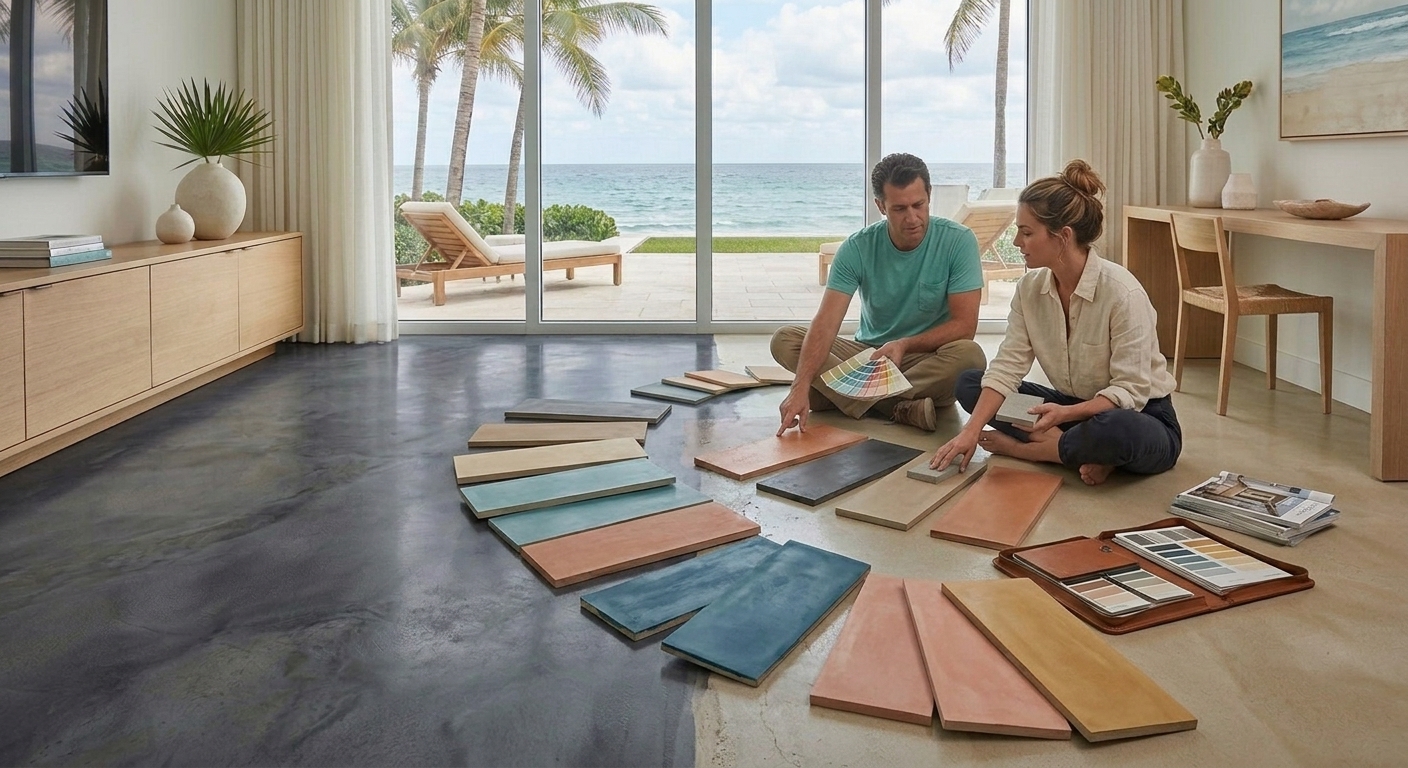
- Aesthetic Goals: Do you want a natural, variegated look or a solid, consistent tone? That decision drives which product you use.
- Location Matters: Indoor applications can use dyes and water-based stains. Outdoor slabs need UV-stable options like acid stains or specialized coatings.
- DIY or Professional: Some products claim easy application, but uneven prep or improper sealing ruins the finish. Pros bring consistency and longevity.
- Maintenance Expectations: Some finishes need resealing every few years. Others are virtually maintenance-free. Know what you're signing up for.
The Upside of Getting This Right
When concrete color changes are done correctly, the benefits stack up. Property value climbs. The space feels updated without the cost of replacement. In Palm Beach's climate, lighter shades can reduce interior heat gain, cutting down on cooling costs. And in commercial settings, a fresh, branded floor makes a strong first impression.
Beyond dollars and cents, there's pride of place. A floor that looks intentional, well-maintained, and aligned with your design vision changes how a space feels. It's not just about covering up old concrete — it's about revealing what it should have been all along.
Where Palm Beach Property Owners Trip Up
Even with the right products, mistakes happen. And most of them happen because someone skipped a step or underestimated the prep work. Here's where we see the biggest issues:
- Skipping Surface Prep: Grinding, cleaning, and repairing the slab isn't optional. If the surface isn't ready, the color won't bond properly.
- Choosing the Wrong Product for the Location: Using an indoor-only dye on an exterior patio leads to rapid fading. Match the product to the exposure.
- Ignoring Sealer Compatibility: Some sealers don't play nice with certain stains or dyes. Test compatibility before you commit to a full application.
- Expecting Perfection on Damaged Concrete: Color won't hide structural issues. If the slab is cracked or uneven, address that first.
- Rushing the Process: Stains and dyes need time to cure. Coatings need time to bond. Rushing leads to streaks, bubbles, and early failure.
This Is Where Professionals Make the Difference
We've seen plenty of DIY attempts that looked great for a month and fell apart by month three. The difference between a professional job and a weekend experiment is in the details — surface prep, product selection, application technique, and sealing. A pro knows how Palm Beach's humidity affects cure times. They know which products hold up to salt air and which ones don't.
More importantly, they know how to fix mistakes before they become permanent. Because once that stain soaks in or that coating cures, you're living with it. Whether you're updating kitchen floor resurfacing, bathroom floors, or considering full home concrete resurfacing, getting it right the first time saves money, time, and frustration.
Concrete Color Isn't Set in Stone
You're not stuck with the floor you've got. Concrete can be recolored, refinished, and completely reimagined without ripping it out and starting over. But success depends on understanding the condition of your slab, choosing the right method, and executing with precision. In Palm Beach, where design standards are high and environmental factors are tough, cutting corners isn't an option. Get it right, and your concrete floor becomes one of the best features of your space. Get it wrong, and you're back to square one — or worse, dealing with peeling, fading, and regret.
Ready to Transform Your Concrete Floors?
Let’s give your concrete floors the color and finish they deserve. We know what works in Palm Beach, and we’re here to help you avoid the common pitfalls and get a result you’ll love for years to come. If you’re ready to talk options or want expert advice, call us at 561-694-0273. When you’re ready to take the next step, get a quote and let’s bring your vision to life together.
‹ Back
Recent Posts
-
Can You Change the Color of Concrete Floors in Palm Beach?
November 20, 2026
-
What Type of Concrete Finish Works Best for Palm Beach Walkways?
November 6, 2026
-
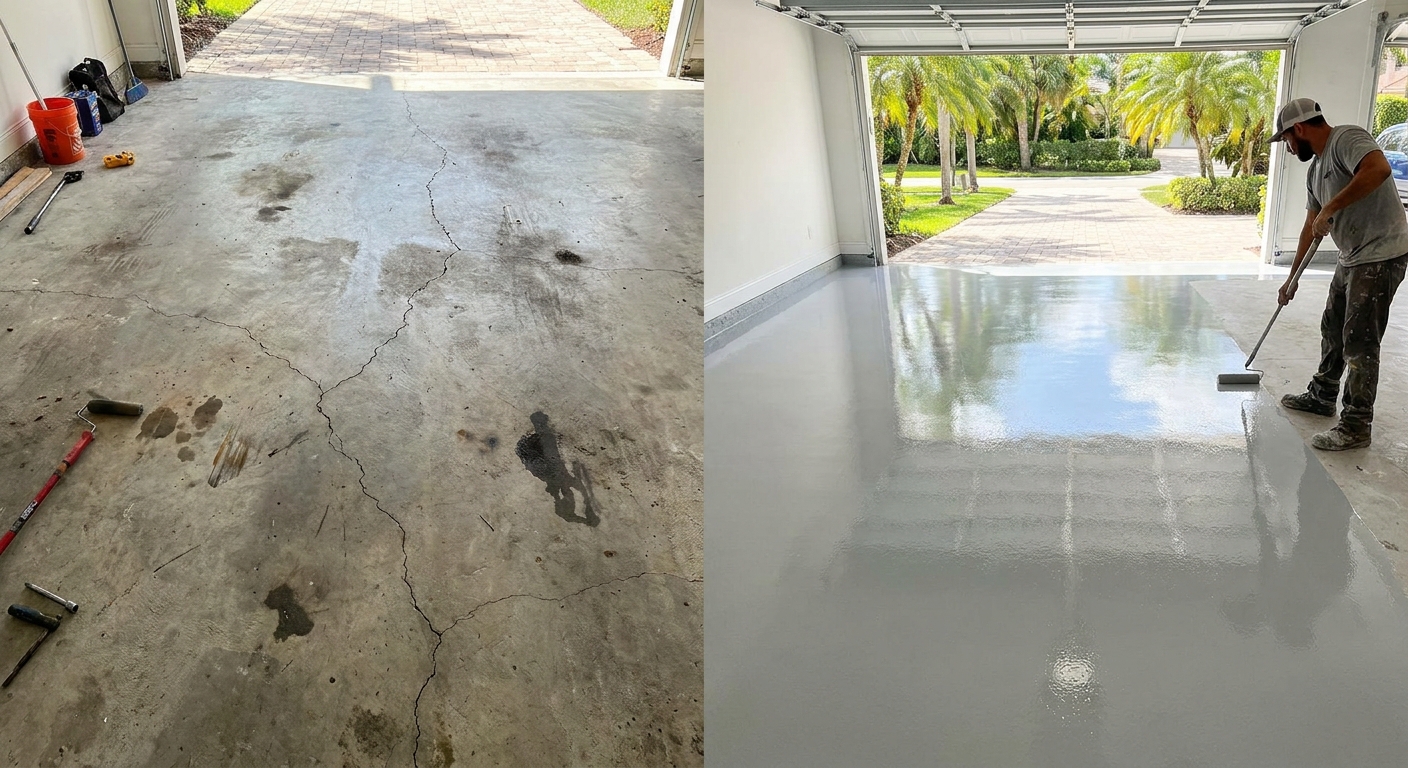
Is It Time to Update Your Palm Beach Garage Floor?
October 23, 2026
-
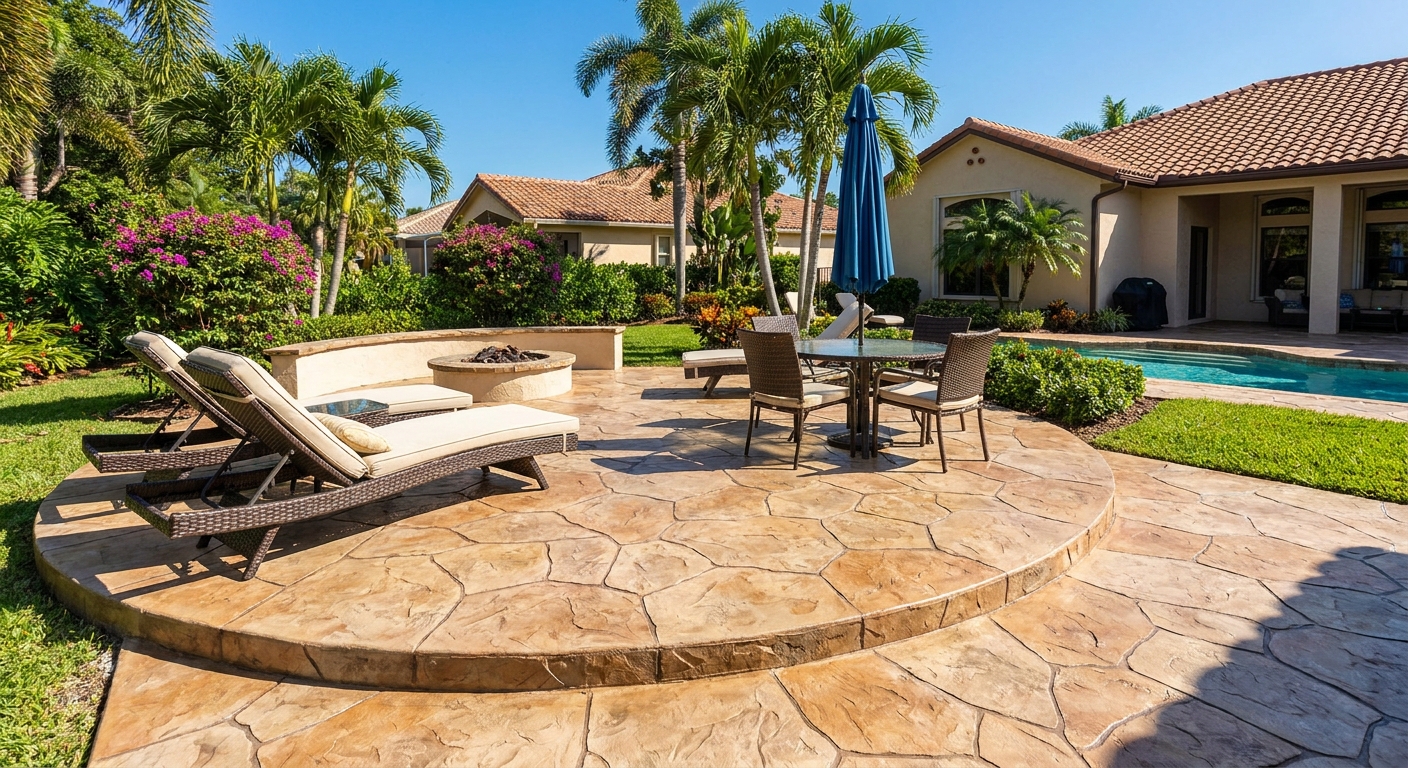
Can Decorative Concrete Give Your Palm Beach Patio a New Look?
October 9, 2026
-
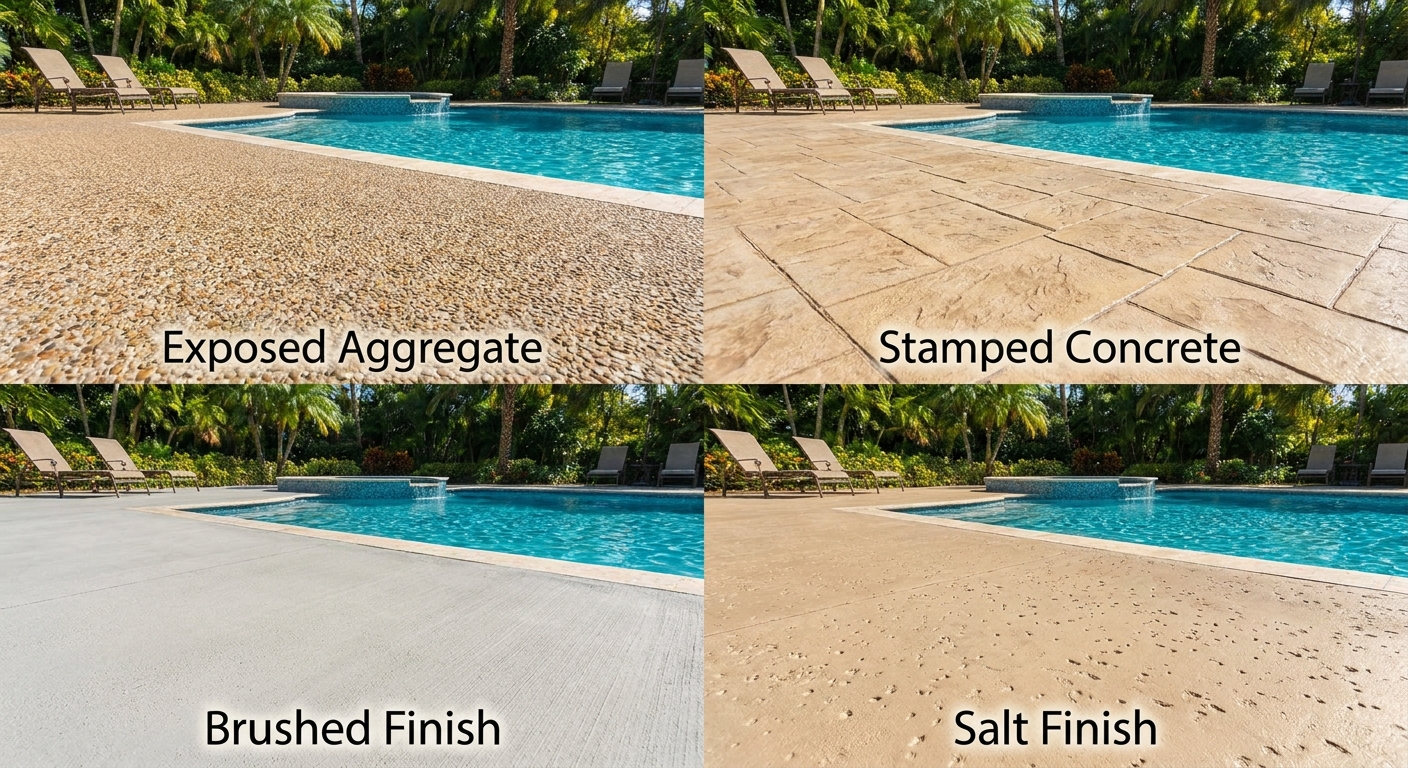
Which Concrete Finish Looks Best Around a Palm Beach Pool?
September 25, 2026