.png)

By using our website, you agree to the use of cookies as described in our Cookie Policy
Concrete Resurfacing Tips & Info in Palm Beach
Our blog shares tips on epoxy floors, faux travertine, pool decks, and other concrete solutions for homes and businesses throughout Palm Beach. Palm Beach Resurfacing writes every post based on real projects. These range from driveways and patios to warehouse floors and garage floors, so you get advice that actually works. Ready to start your project? Call 561-694-0273 or get a quote.
What Makes Faux Travertine a Popular Concrete Finish
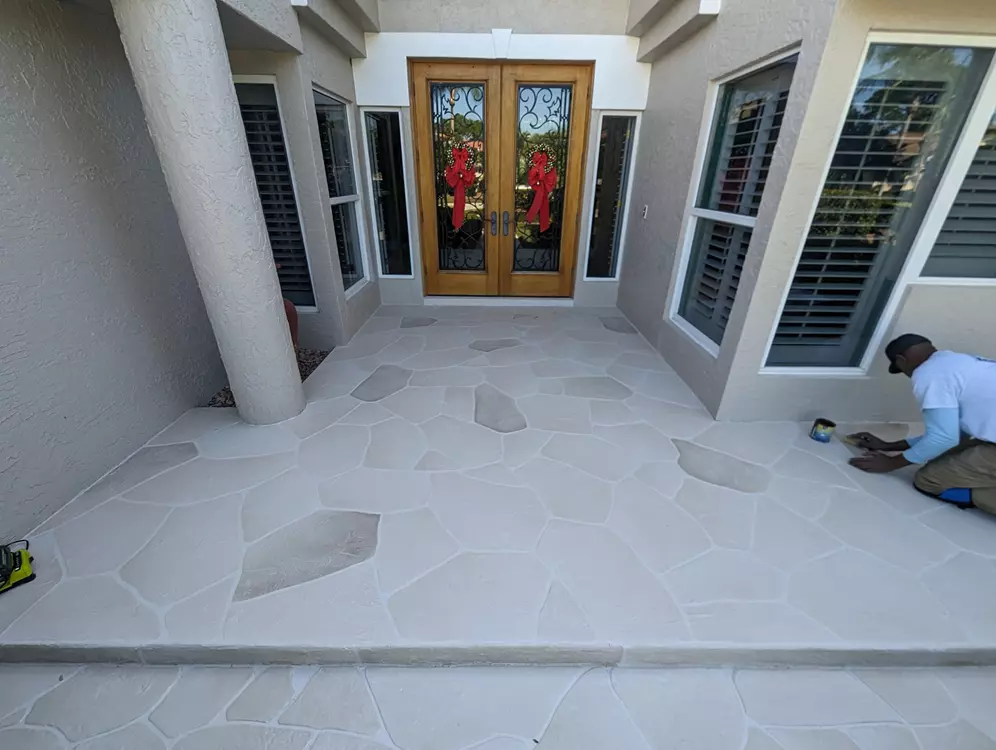
Most contractors think decorative concrete is just about aesthetics. Pretty floors, nice patios. But there's more to faux travertine than surface appeal — and if you're not paying attention, you're missing why it's taken over residential and commercial projects. This finish doesn't just look like natural stone. It performs like engineered concrete while delivering the warmth and character people crave. That's not luck. That's design meeting function.
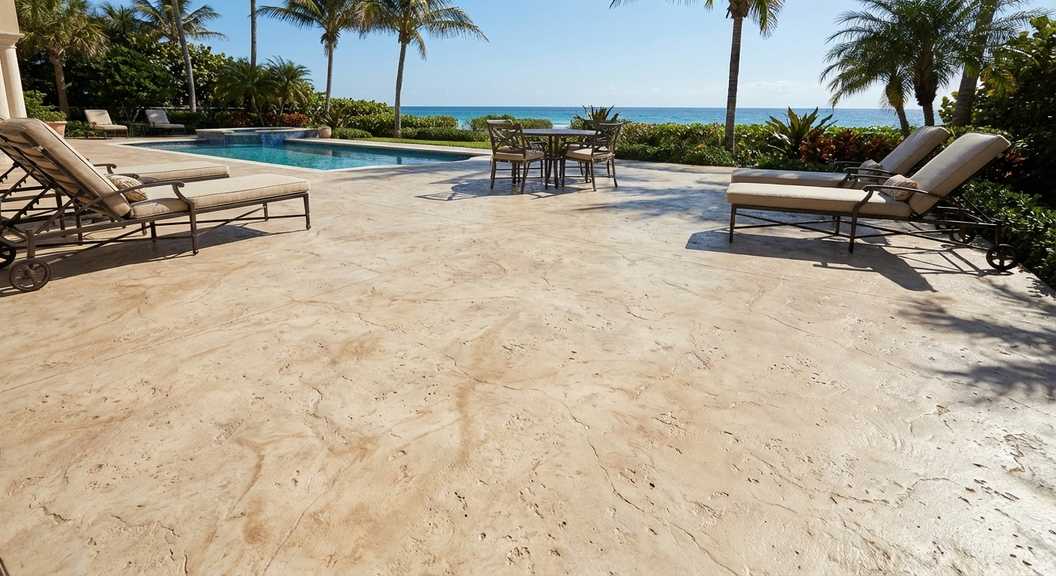
So here's what matters. If you're considering faux travertine for your next project, understand what you're actually getting. It's not real stone, but it's not trying to be a cheap knockoff either. Every application should be grounded in how the space will be used — not just how it photographs for the listing.
The Look Holds Up Under Scrutiny
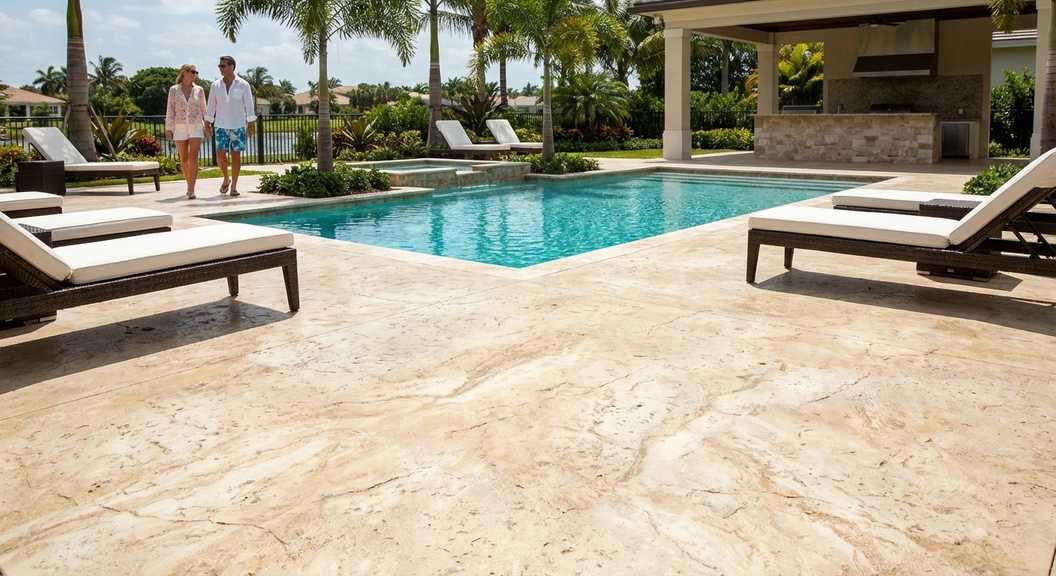
Faux travertine works because it captures the visual DNA of the real thing. Natural travertine brings subtle color shifts, organic veining, and that unmistakable old-world texture. The faux version replicates those details through layered staining, hand-tooled textures, and careful color blending. Done right, it's hard to tell the difference from across the room — or even up close.
But here's the kicker. You're not just getting a surface that looks good on install day. The finish holds its depth over time because it's built into the concrete itself, not sitting on top like a decal. That means the character doesn't wear off when foot traffic picks up or UV exposure starts doing its thing.
You're Not Paying Stone Prices
Real travertine costs serious money. Quarrying, shipping, cutting, and installing natural stone adds up fast — especially when you factor in waste from breakage and custom cuts. Faux travertine flips that equation. You're working with concrete as the base, which is affordable and available just about anywhere.
The application process is faster too. No grout lines to fuss over. No individual tiles to level and space. Just a continuous pour or overlay that gets textured and stained in place. Labor costs drop. Material waste shrinks. And you still walk away with a finish that rivals the high-end stone jobs.
Concrete Doesn't Crack Under Pressure
We've seen natural stone chip, crack, and stain in high-traffic zones. Travertine is porous. It's soft compared to granite or porcelain. And when it fails, you're looking at replacement — not repair. Faux travertine sidesteps those headaches because it's concrete at the core. Concrete that's been sealed, hardened, and protected.
Modern sealers add another layer of defense. They lock out moisture, resist stains, and handle the kind of abuse that comes with commercial kitchens, retail floors, and outdoor patios. You're not babying the surface. You're using it the way it was designed to be used — hard and often.
Design Flexibility That Actually Matters
Faux travertine doesn't box you into one look. You can dial in the exact tone, texture, and finish you need for the space. Want soft beige with minimal veining for a modern interior? Done. Prefer deep earth tones with heavy texture for a rustic patio? Also done.
Here's where that flexibility shows up most:
- Interior floors that need a refined, polished appearance
- Outdoor patios and pool decks that demand slip resistance and UV stability
- Vertical surfaces like accent walls or fireplace surrounds
- Countertops and bar tops where durability meets design
- Commercial lobbies and retail spaces that need to impress without constant upkeep
Every project gets a custom treatment. No two installations look identical because the artisan controls the variables — color layering, texture depth, and sealer sheen. That's not mass production. That's craftsmanship.
Maintenance Doesn't Eat Your Time
Natural stone demands attention. Regular sealing. pH-neutral cleaners. Immediate spill cleanup to avoid etching or staining. Miss a step and you're dealing with permanent damage. Faux travertine concrete doesn't play that game.
Once it's sealed properly, routine care is straightforward. Sweep or vacuum to clear debris. Mop with a mild detergent when needed. Reseal every few years depending on traffic and exposure. That's it. No special products. No panic over wine spills or grease splatters. The finish is built to handle real life, not just showroom conditions.
Sustainability Without the Guilt
Quarrying natural stone leaves scars. Heavy equipment, long-distance shipping, and high waste rates all add up on the environmental ledger. Faux travertine cuts that footprint down. Concrete is typically sourced locally, reducing transportation emissions. The overlay process generates less waste than cutting and fitting stone tiles.
Some installers go further by using low-VOC stains and water-based sealers. That keeps indoor air quality clean and reduces chemical runoff. It's not perfect, but it's a step in the right direction for projects where sustainability matters.
Installation Speed Keeps Projects Moving
Tile installation is slow. Every piece needs to be cut, leveled, spaced, and grouted. Mistakes mean rework. Faux travertine skips most of that. The finish goes down as a continuous surface over existing concrete or a fresh pour. Texture and color get applied in layers, then sealed.
No grout lines means no weak points where moisture can creep in or dirt can settle. The seamless look also makes spaces feel larger and cleaner. And when the job wraps faster, labor costs stay in check and timelines don't slip.
When to Bring In the Pros
DIY faux travertine is possible, but the results vary wildly based on skill and prep work. If you're tackling a high-visibility area or a large-scale project, hiring experienced installers is the smart move.
A pro helps you:
- Assess whether your existing slab is suitable for overlay or needs repair
- Select the right color palette and texture for your space and climate
- Apply stains and sealers in the correct sequence for maximum durability
- Avoid common mistakes like uneven texture or blotchy color
- Ensure proper curing and sealing so the finish lasts
It's not just about getting it done. It's about getting it done right the first time so you're not redoing it in two years.
Performance That Backs Up the Hype
Faux travertine isn't a trend riding on looks alone. It's a finish that delivers on multiple fronts — cost, durability, design range, and ease of care. That's why it's showing up in more residential projects, more commercial spaces, and more patios every year.
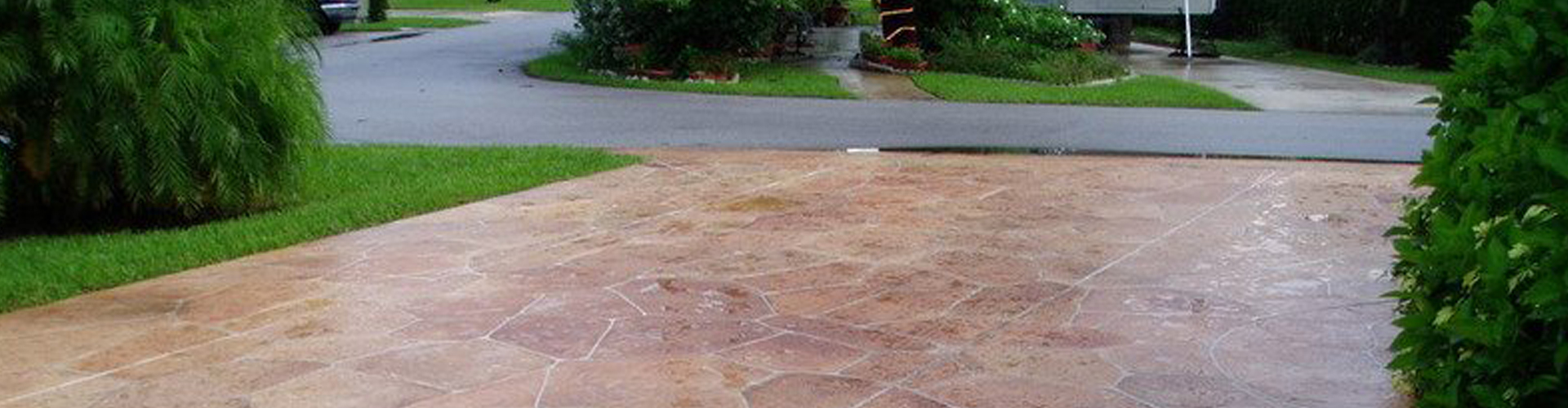
The appeal isn't hard to understand. You get the elegance of natural stone without the price tag or the maintenance headaches. You get a surface that can handle real use in real conditions. And you get design control that lets you match the finish to the vision, not the other way around. Whether you're upgrading pool decks, driveways, or walkways, that's not compromise. That's smart building.
Ready to Transform Your Concrete?
Let's bring your vision to life with a faux travertine finish that stands up to daily use and looks incredible for years to come. If you're ready to talk options or want expert advice on your next project, give us a call at 561-694-0273. We’re here to help you get the most out of your space—reach out today and get a quote to get started.
‹ Back
Recent Posts
-
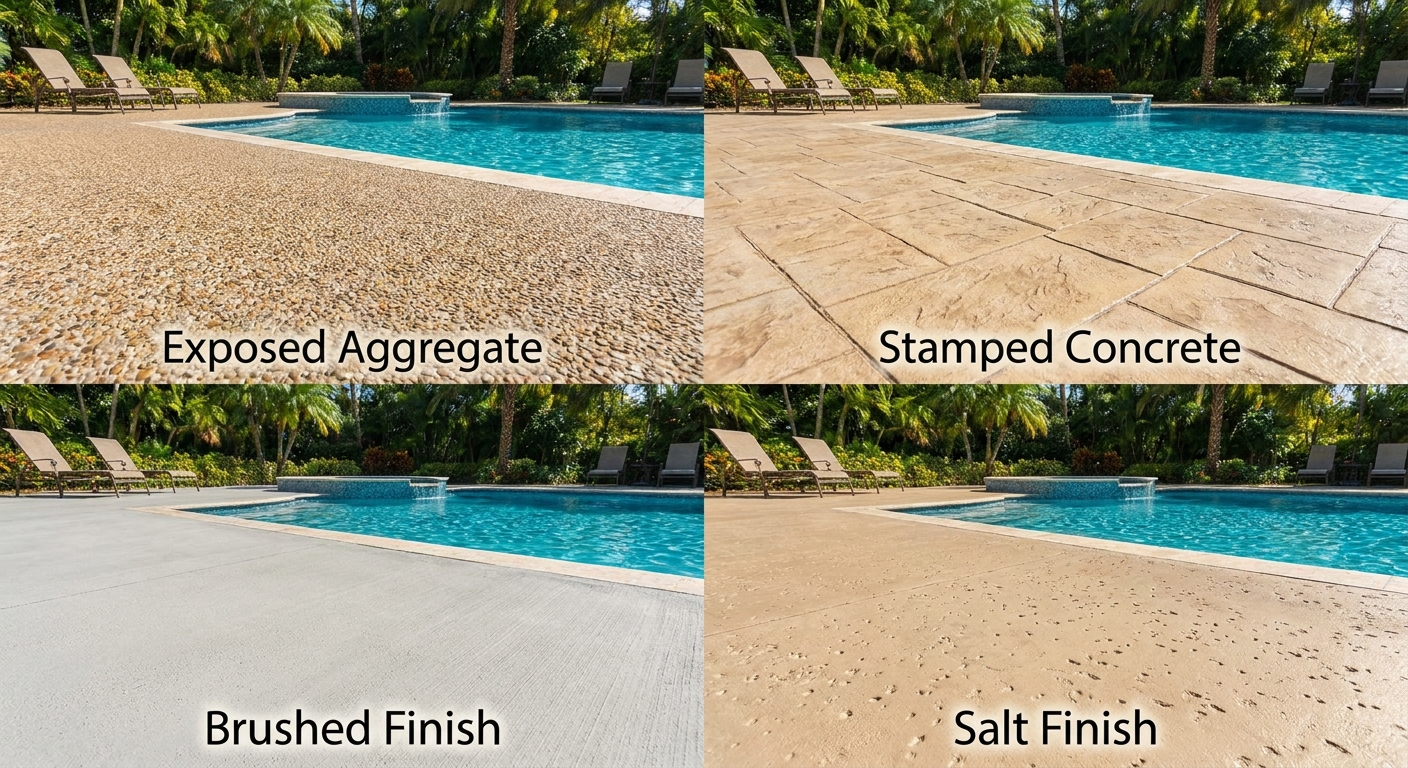
Which Concrete Finish Looks Best Around a Palm Beach Pool?
September 25, 2026
-
How Long Does Concrete Resurfacing in Palm Beach Last?
September 11, 2026
-
Faux Wood Concrete Flooring for Indoor Use in Palm Beach County
August 28, 2026
-
What Happens as Concrete Surfaces Age in Palm Beach County
August 14, 2026
-